- Starting from the end:
Japan is a land of paradoxes… Everything, absolutely everything, oscillates between two extremes!
On one hand, you’re at the center of materialism and capitalism. Everything around you encourages you to buy. You start marveling at the price for this perfectionist Japanese quality. It doesn’t matter what kind; from cosmetics to technology, from food to textiles. Whatever you reach for, every consumer item reflects the Japanese work ethic and pursuit of perfection. Almost everything is individually packaged, like Russian nesting dolls! For example, if you try to buy a bag of candy, you’ll find small, individually packaged ones inside it. And this is the case with almost every bulk item.
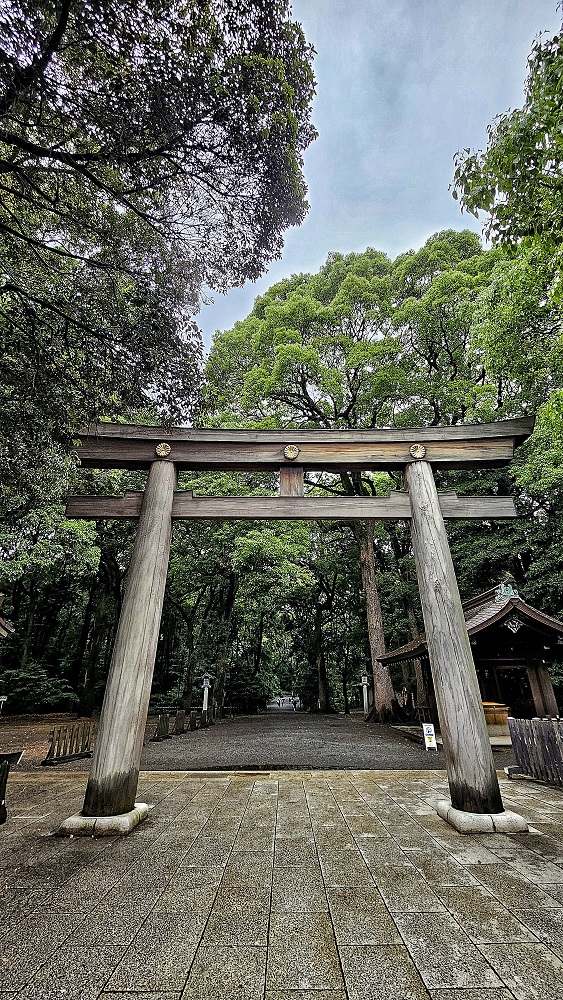
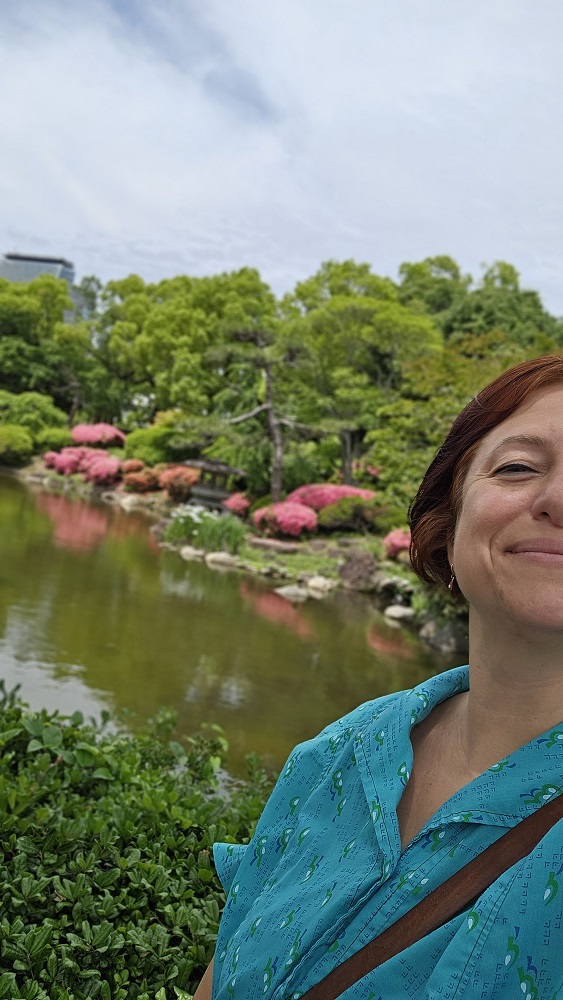
On the other hand, in the heart of a fast-paced, buzzing city like Tokyo, a verdant area suddenly appears. There you see a massive, or perhaps more human-like, “Tor,” the outer gate of a temple. You find yourself drawn towards the tranquil center. But beware; you don’t pass through the temple gates! These represent the boundaries between life and death. You slip inside from one side of the gate and suddenly you’re in a completely different world… You walk through the magnificence of nature and meticulously maintained gardens; a journey to the heart of peace and spirituality. The energy of the sacred spaces envelops you. Even if your spiritual side isn’t strong, the traces of thousands of souls who have prayed, made wishes, supplicated, or celebrated here will surely affect you. Or the majesty of the centuries-old trees in the garden, representing lovers.
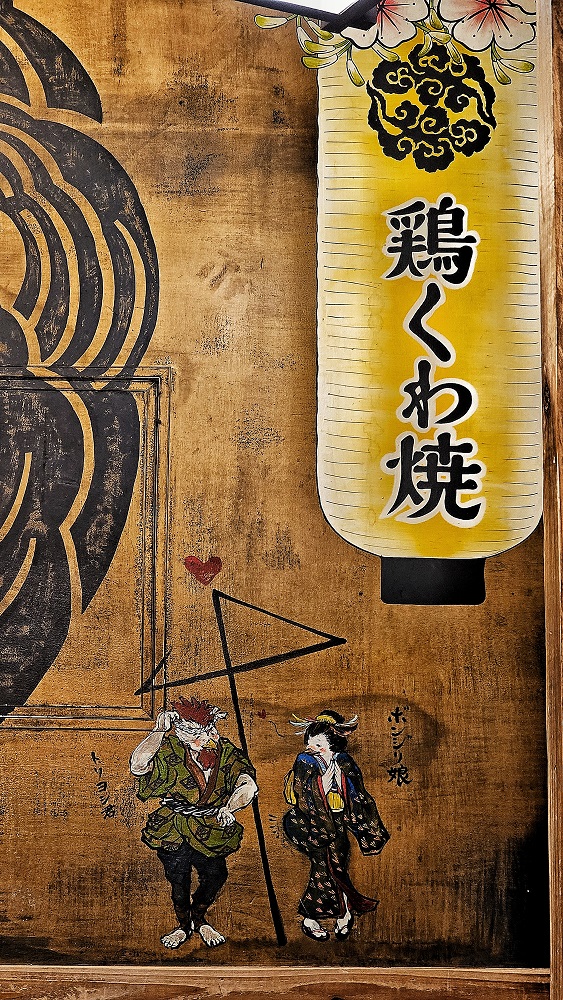
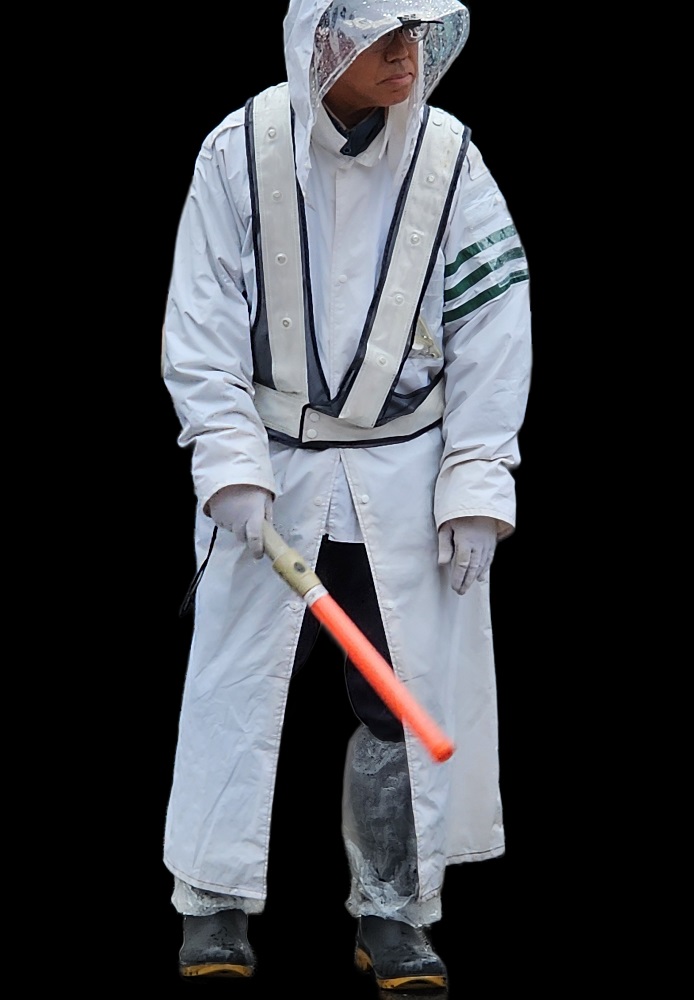
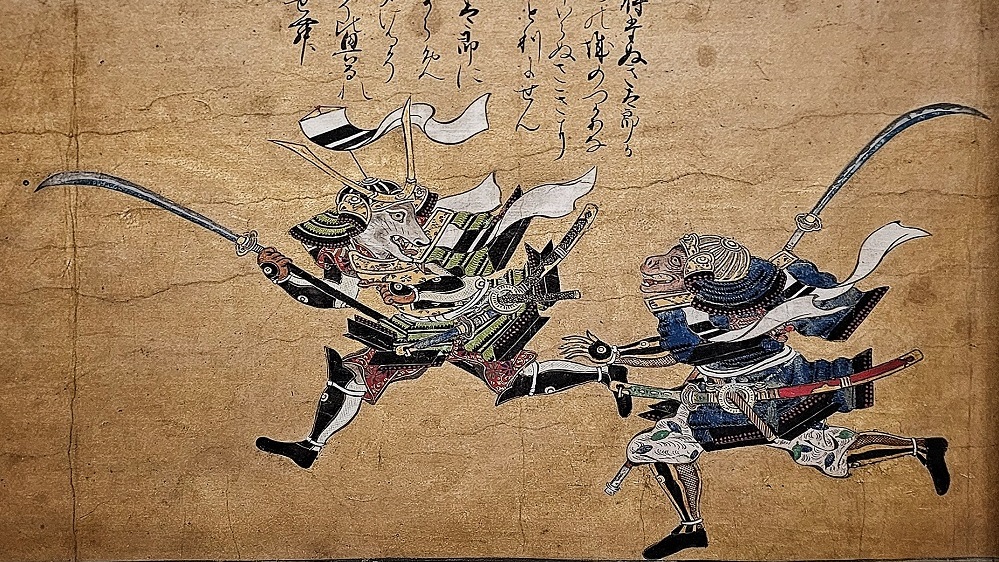
People are also between two extremes… Some wander around in traditional clothes as if they’ve stepped out of another century; others look like they’ve jumped straight out of a comics / manga world. Some are dressed like the dictionary definition of a classic white-collar; some as if they’ve just come from a hip-hop music video shoot. But whatever the style, old or new, all have a certain care, orderliness and sharp, meticulous attention to detail.
From what I’ve read, watched and learnt, this paradox exists in people’s psyche too… Beneath the facade that seems to represent modernity, lies an extremely conservative, even bigoted, way of life. Women are almost invisible in the traditional social life. At the height of individualism, they carry their loneliness like a shackle of freedom. The tragicomic entertainment in Tokyo’s gaming venues and the hourly companions you encounter on the streets of Osaka are just a few examples. In a country that claims to be the world’s number one in work ethics, individual psychological disorders, excesses and extreme sexual deviations are breaking records.
Of course, I haven’t personally seen the life behind those masks. These are just things I’ve read about in the historical & contemporary accounts of Japanese culture. Therefore, it’s a world I admire from the outside, but one I wouldn’t want to be a part of. It’s a wonderful country to visit, but a difficult one to live in! But ultimately, I’ll go again; there’s so much more to see. I might even stay longer and travel independently. Because it’s extremely safe and everything is systematic; even better now that we have smart translators in our pockets. If one can figure out the Tokyo subway, one can figure out anything! But I’ll end by admitting that I’ll definitely return home at the end.
VLOG: You can experience the entire atmosphere, street sounds, and colors of my trip to Japan through the vlog I prepared: 👉 Japan Trip Vlog – YouTube
- Preparation & First Impressions
Japan has been a destination I’ve dreamed of for years… It started with my admiration for architect Tadao Ando during my university years, continued with my immersion in the world of comics and manga and it was reinforced when I discovered its gastronomy. My curiosity deepened as I witnessed the richness of Hayao Miyazaki; transformed into a new dimension with Haruki Murakami and it grew over time as I read, watched, and learned about his culture.
Tour Selection and Approach: Although I normally prefer to plan my travels independently, my years of hesitation in trying to go to Japan on my own led me to decide to take a commercial tour. And so, I opted for Ejder Turizm’s 10-day intensive program, which seemed to offer the best value for money in terms of destinations and cultural content. My strategy was to accept the logistical convenience of traveling with a tour group, while utilizing the free time and gaps in the itinerary for my own “precision” explorations.
Timing: Most tourists choose cherry blossom season to visit Japan. However, I preferred May, both because my priority is cultural heritage and because of the price / performance ratio. Of course, this is a personal preference; it depends a bit on what you’re most interested in. But I think Japan is a place worth visiting in any season. For example, I’m now curious about the autumn colors in those magnificent gardens. Or the mountains with their soft, powdery snow-capped peaks that I’ve never been to. Or the fishing villages in the south. I started with the easiest place I could find, thinking Japan deserves more than one visit.
- Program: Route and Cities (10-Day Speed Route)
Blog Format Note: As I did in my earlier posts, I listed the places that were on the tour itinerary. BLUE & Places I explored/visited on my own initiative, outside of the tour I marked RED. I’m also adding personal information next to them with my ratings (***)
Tokyo & Surroundings
- Asakusa Temple (Senso-ji) & Nakamise Street ** Tokyo’s oldest Buddhist temple. A first taste of Japan amidst the colorful street food and traditional shops in Nakamise.

- Ginza Street *** The stylish face of modern living and the center of shopping.
- Shibuya Scramble Crossing: **** The famous multi-directional scramble intersection and pedestrian crossing.
- Japanime Art Gallery Tokyo: *** A tiny gallery dedicated to Japanese anime and manga art.
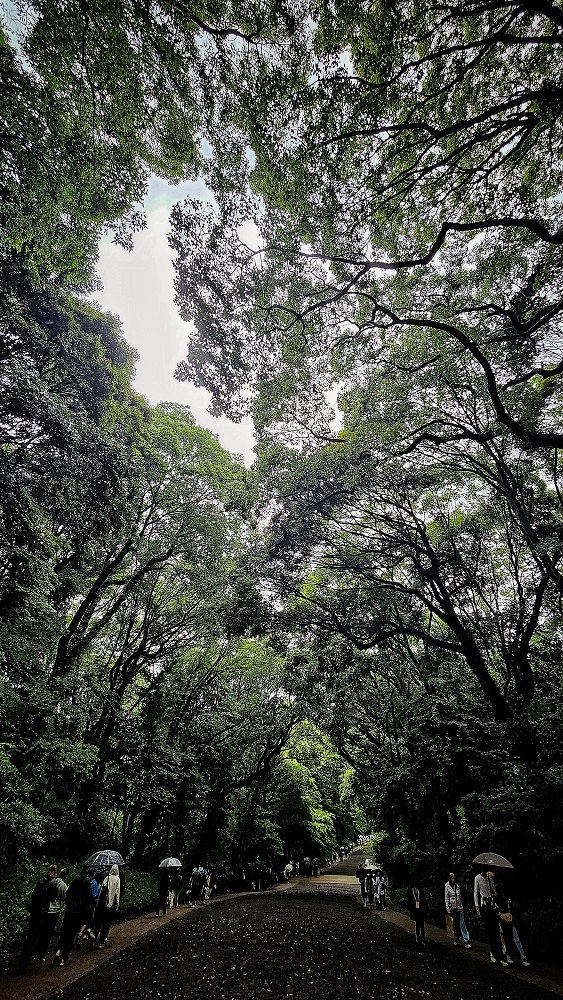
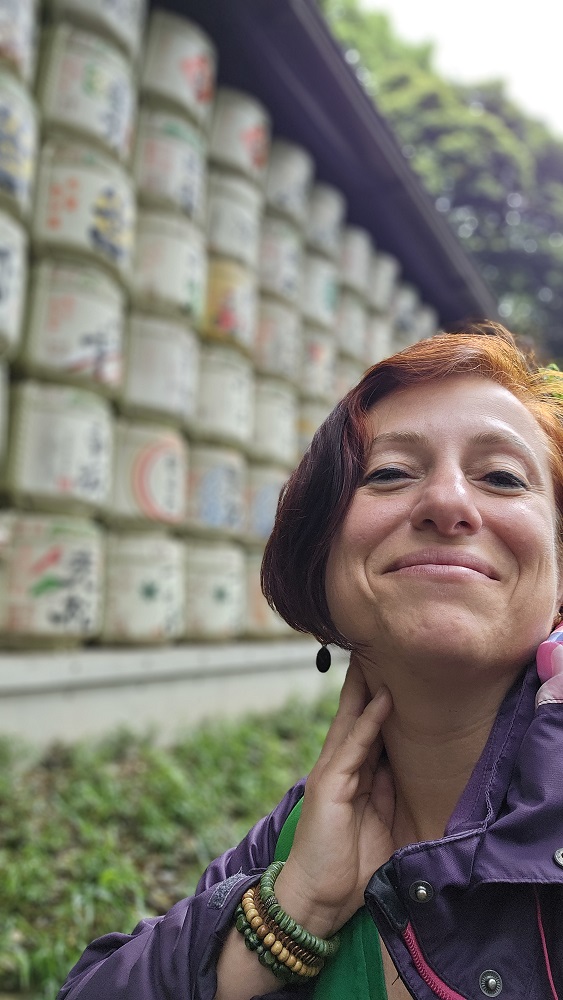
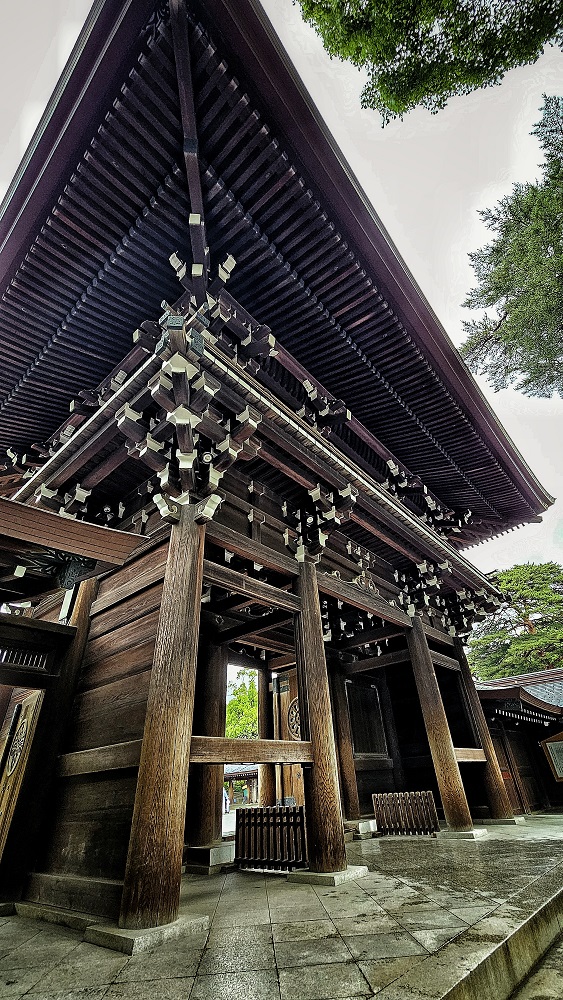
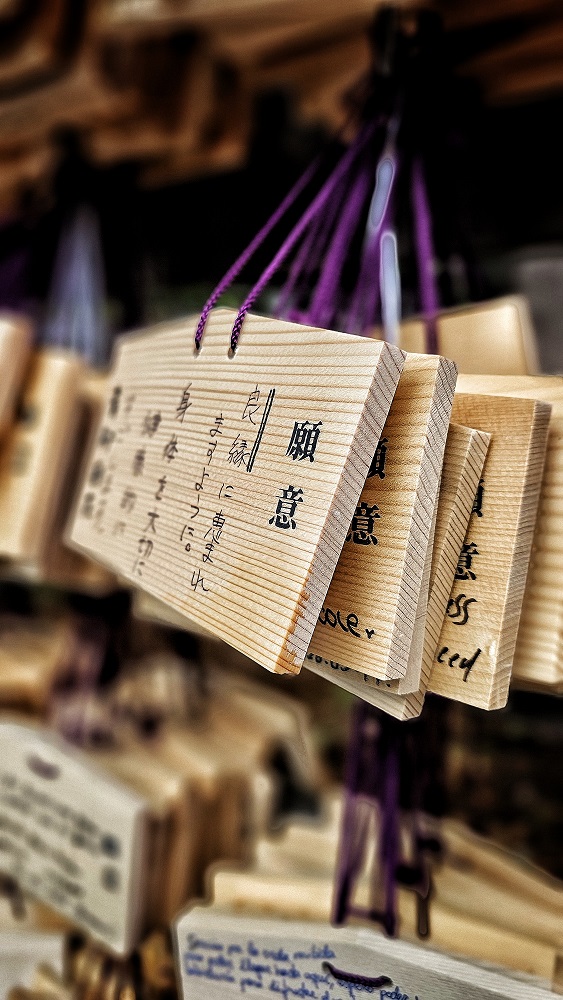
- Meiji Jingu: ****** A magnificent shrine set in a massive garden right in the heart of Tokyo; apparently a royal shrine.
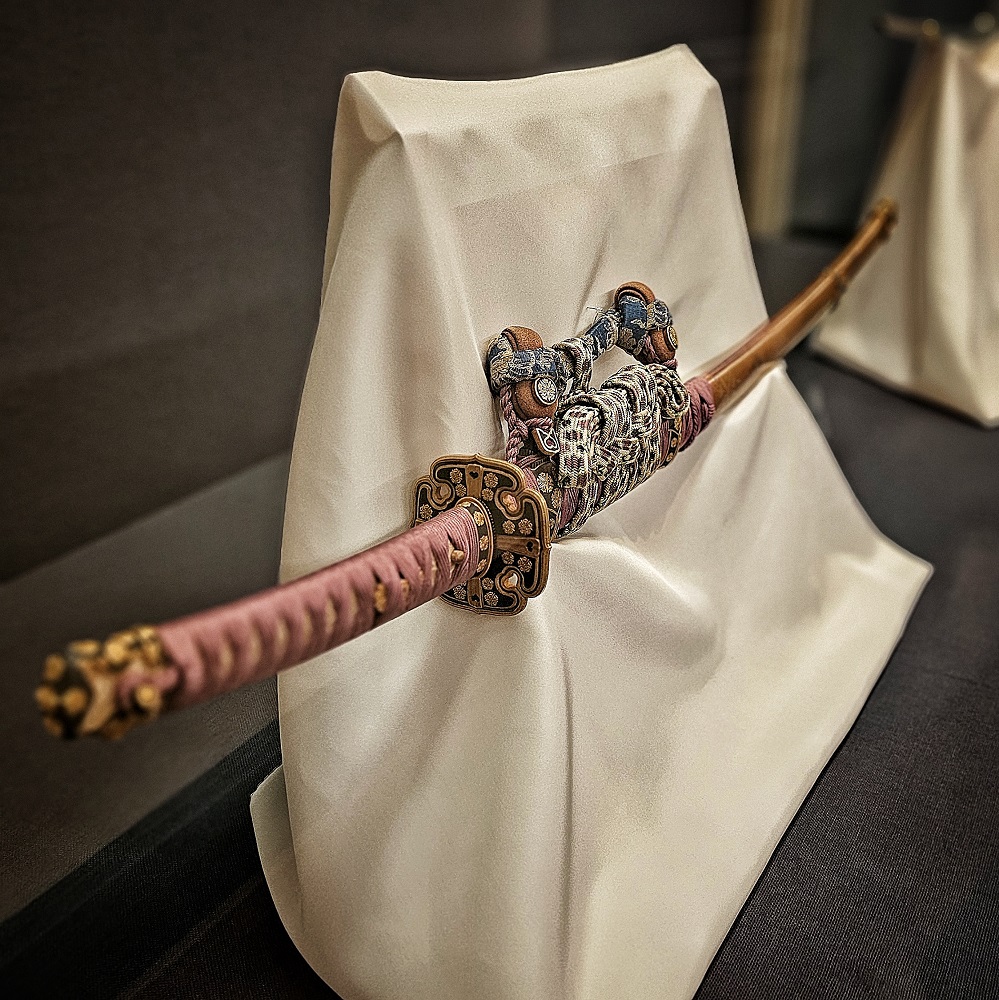
- Tokyo National Museum: ***** A magnificent choice to experience the finest examples of traditional Japanese art and culture, complete with a comprehensive timeline.
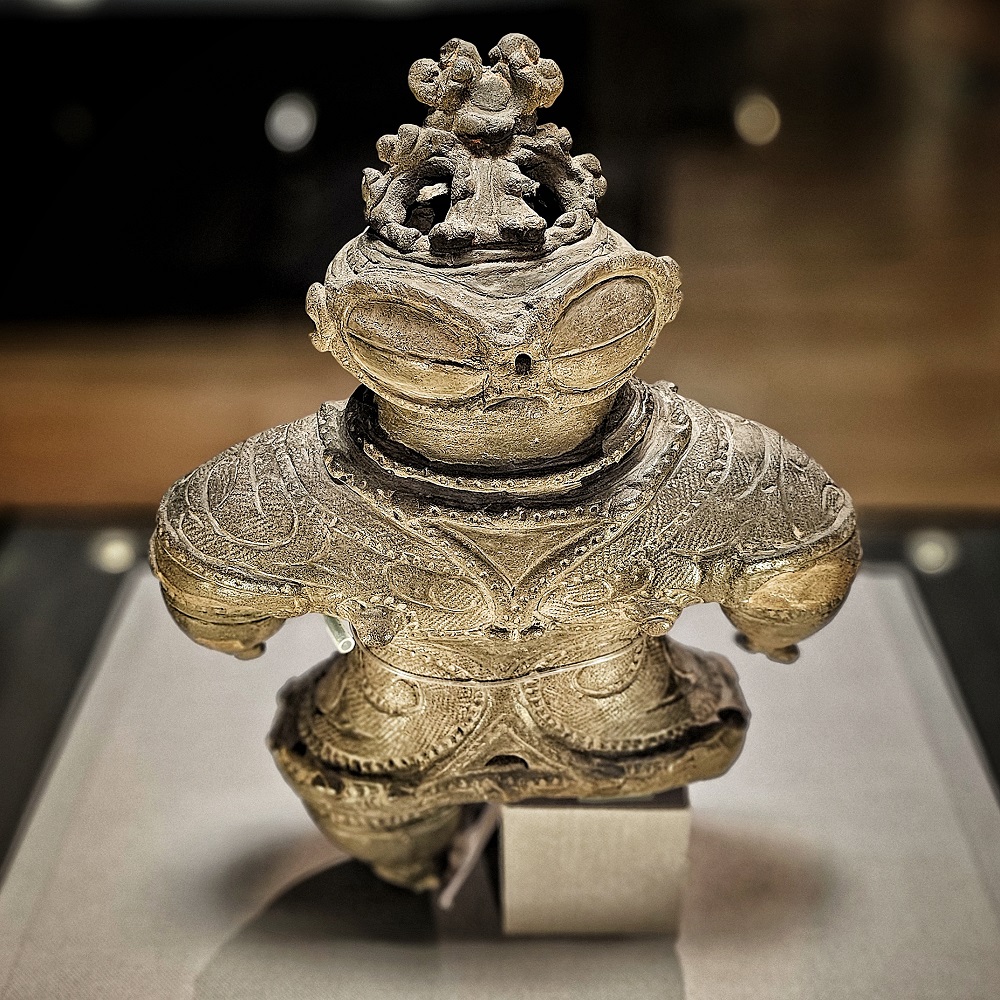
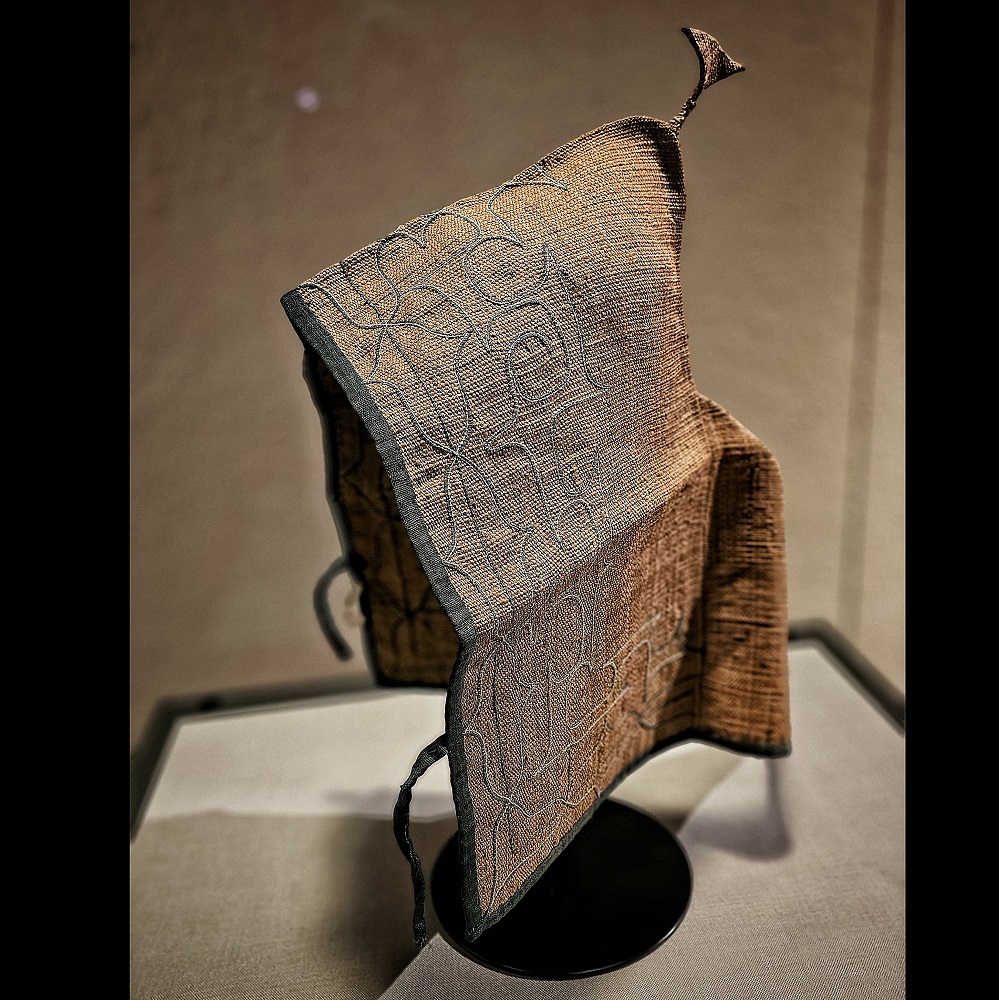
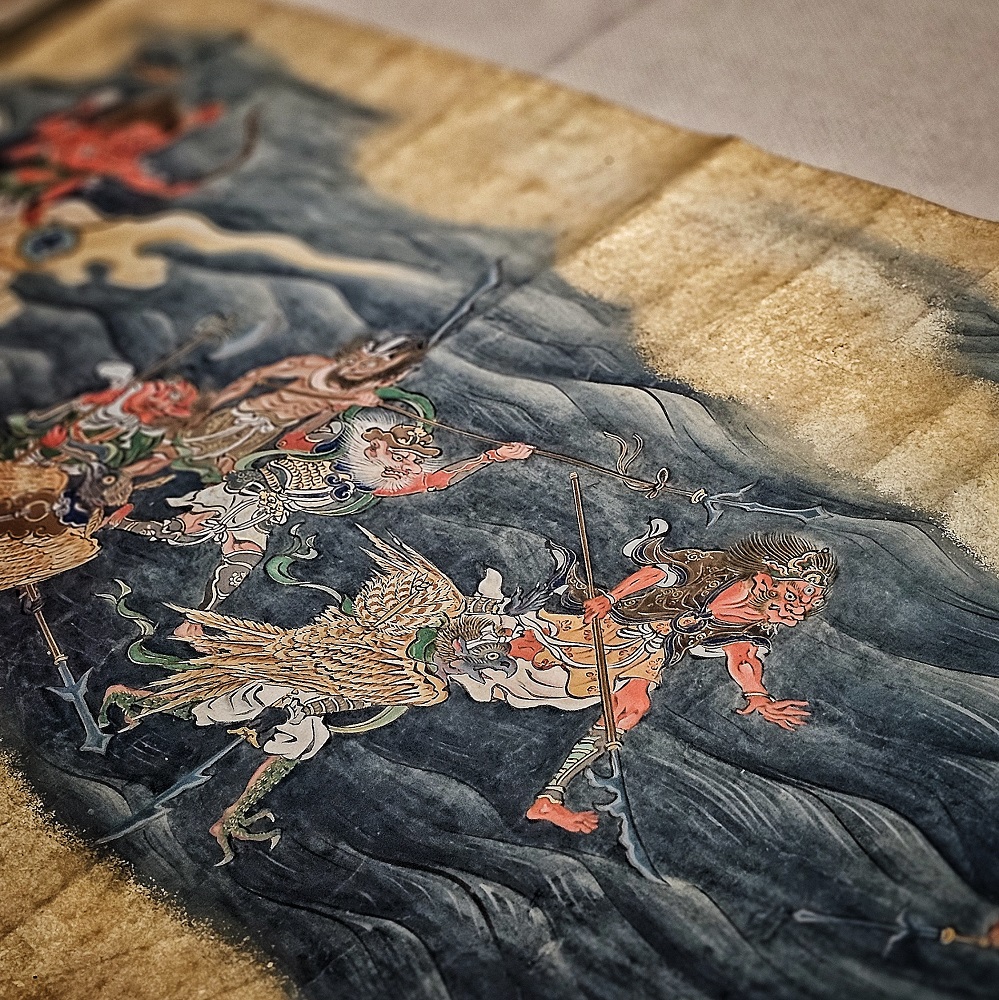
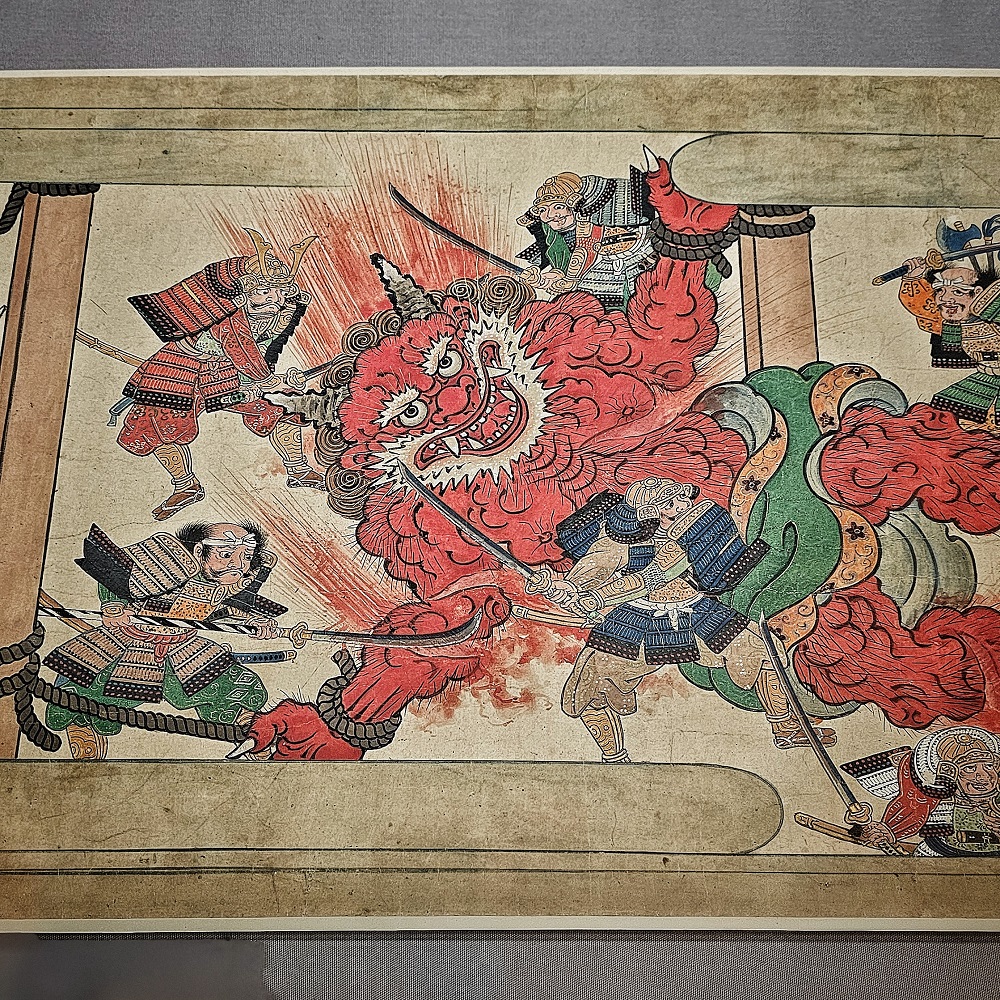
- Akihabara **** The heart of a modern life interwoven with technology is the night. Anime life, neon seas, consumerism, and subculture: Tokyo’s crazy hub.
- Itoya Stationery (Ginza) ***** Like me, a multi-layered design and paper temple for stationery enthusiasts.
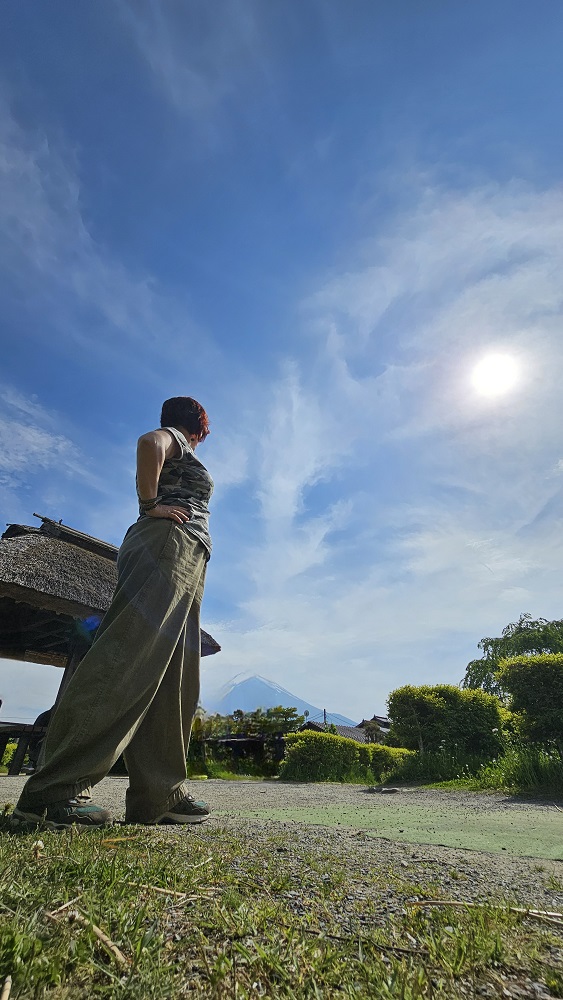
- Mount Fuji (Station 5), Lake Kawaguchi & Oshino Hakkai Village ******* The crystal-clear ponds fed by the melting snow of Mount Fuji and the postcard-perfect views. A truly authentic Japanese mountain village experience.

Tracing History: Hiroshima & Kobe
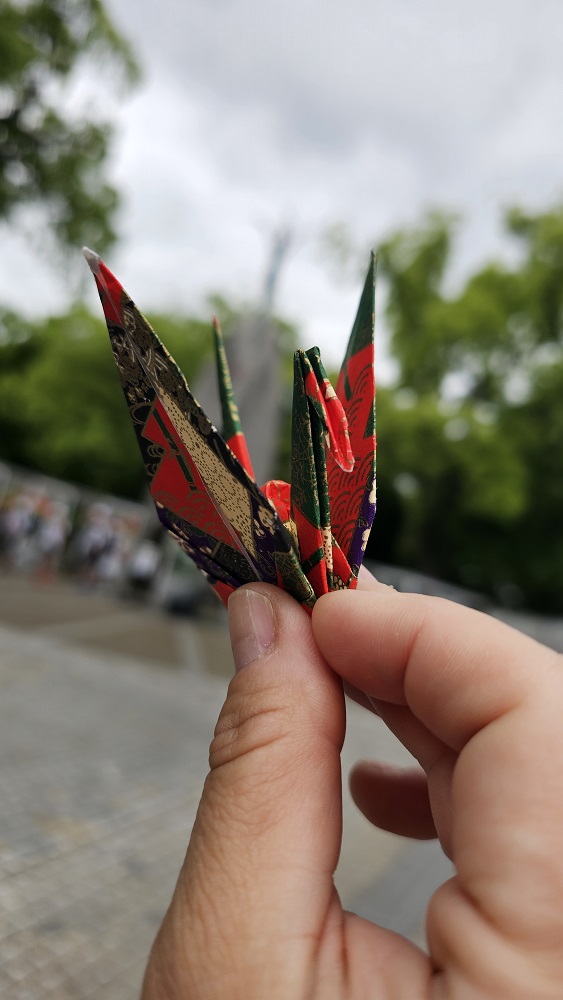
- Hiroshima Peace Park & Atomic Bomb Dome *** A deeply moving historical site that leaves you shaken after the Shinkansen (high-speed train) experience.
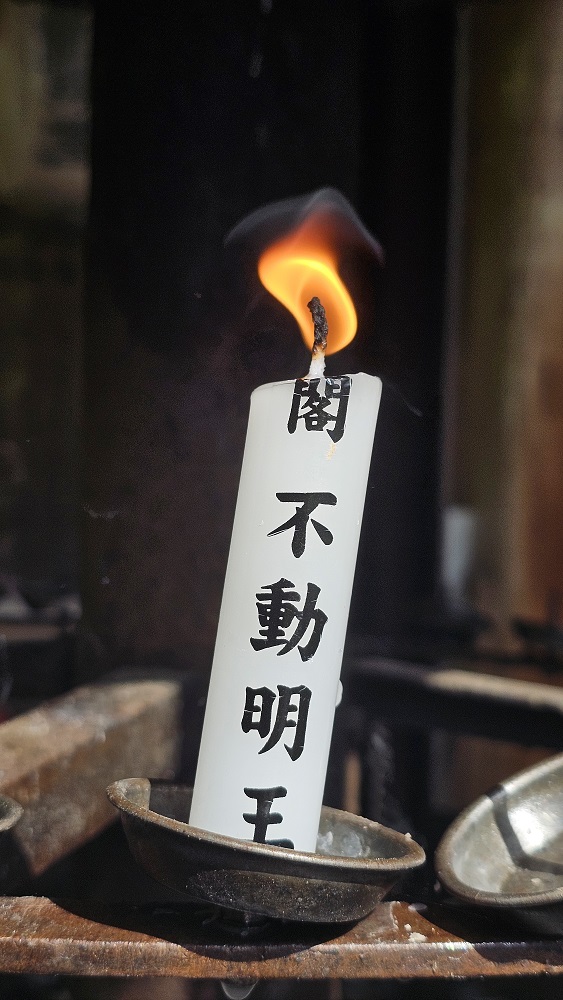
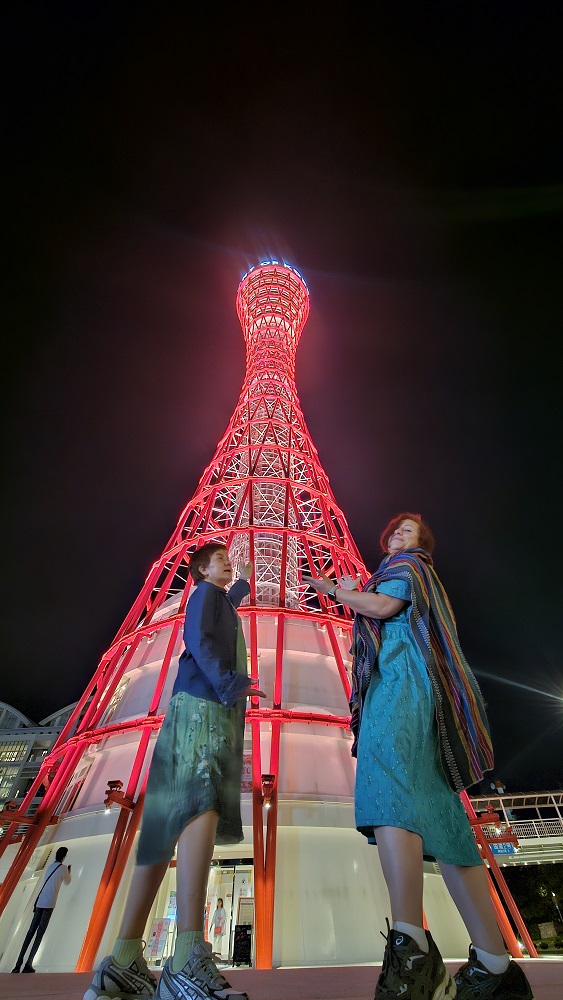
- Kobe & Ikuta Temple *** The elegant torii gates of Shintoism and the tranquil urban fabric.
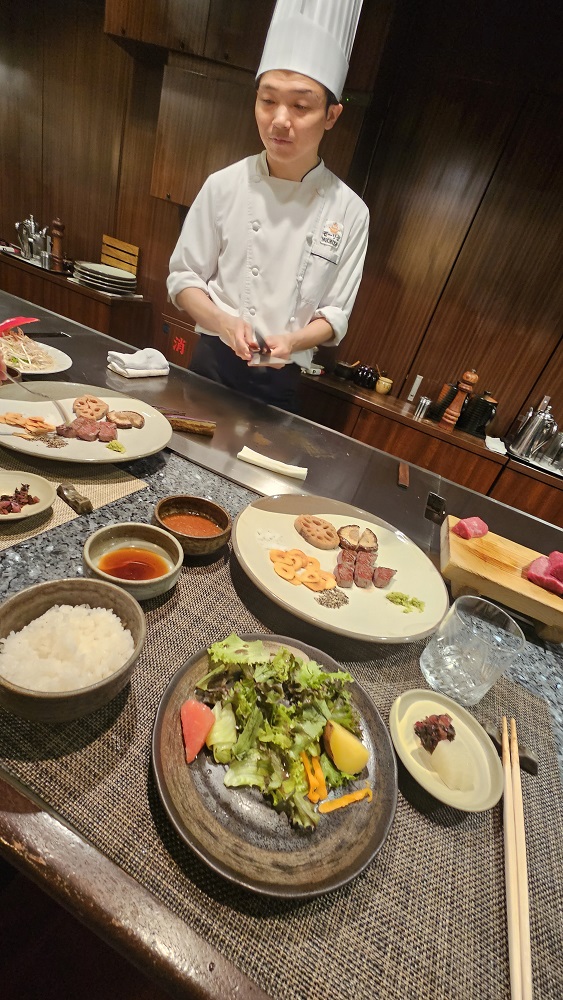
- Dinner in Kobe***** A gourmet experience you must have at least once in your life.
Vibrant and Delicious: Osaka & Nara
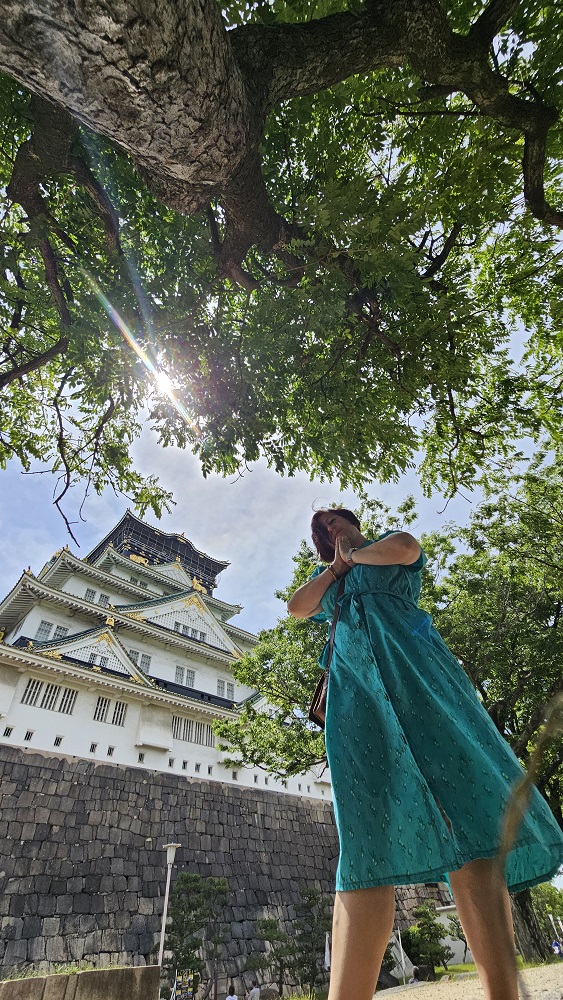
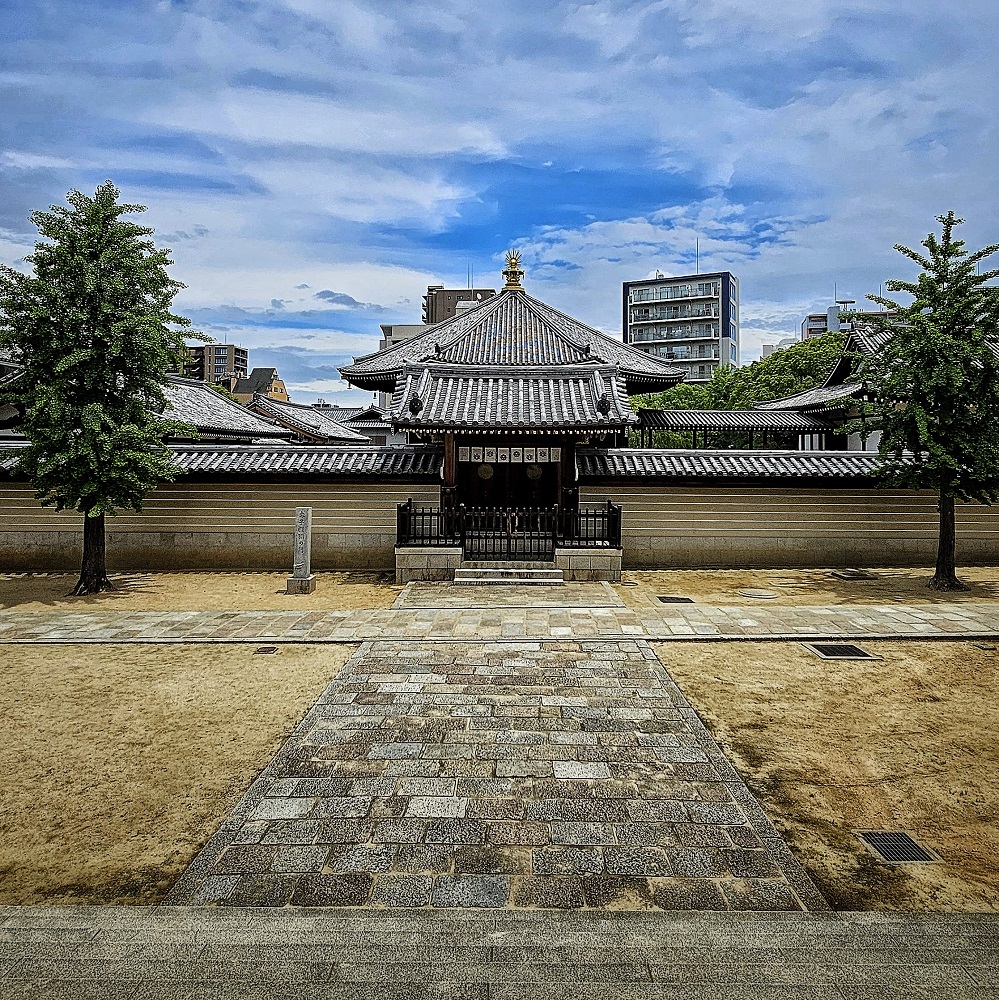
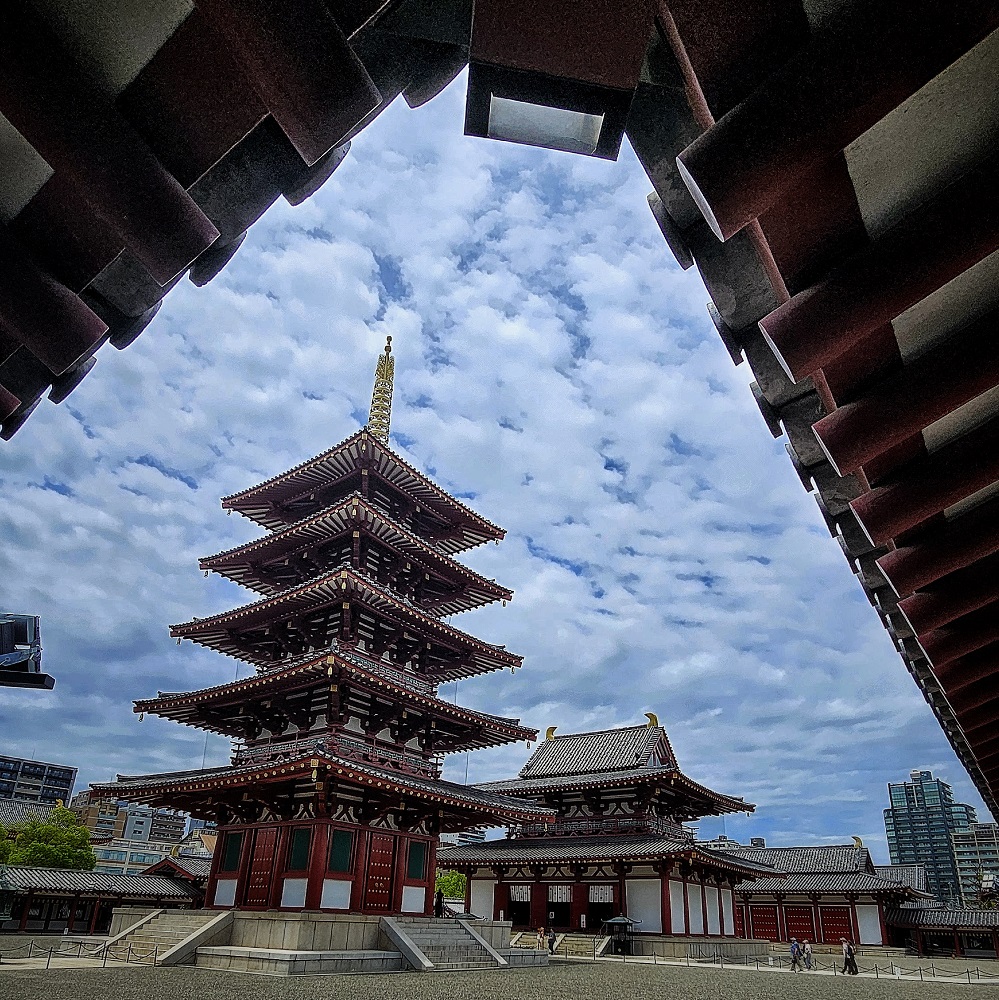
- Osaka Castle & Shitennoji Temple ***** The grandeur of feudal Japan and the history behind its walls.
- Dotonbori & Shinsaibashi *** Neon lights, the famous Glico sign and all the energy of the street.
- Nara Park & Todai-ji Temple ******* Sacred deer roaming freely and a gigantic Buddha statue inside the world’s largest wooden structure.
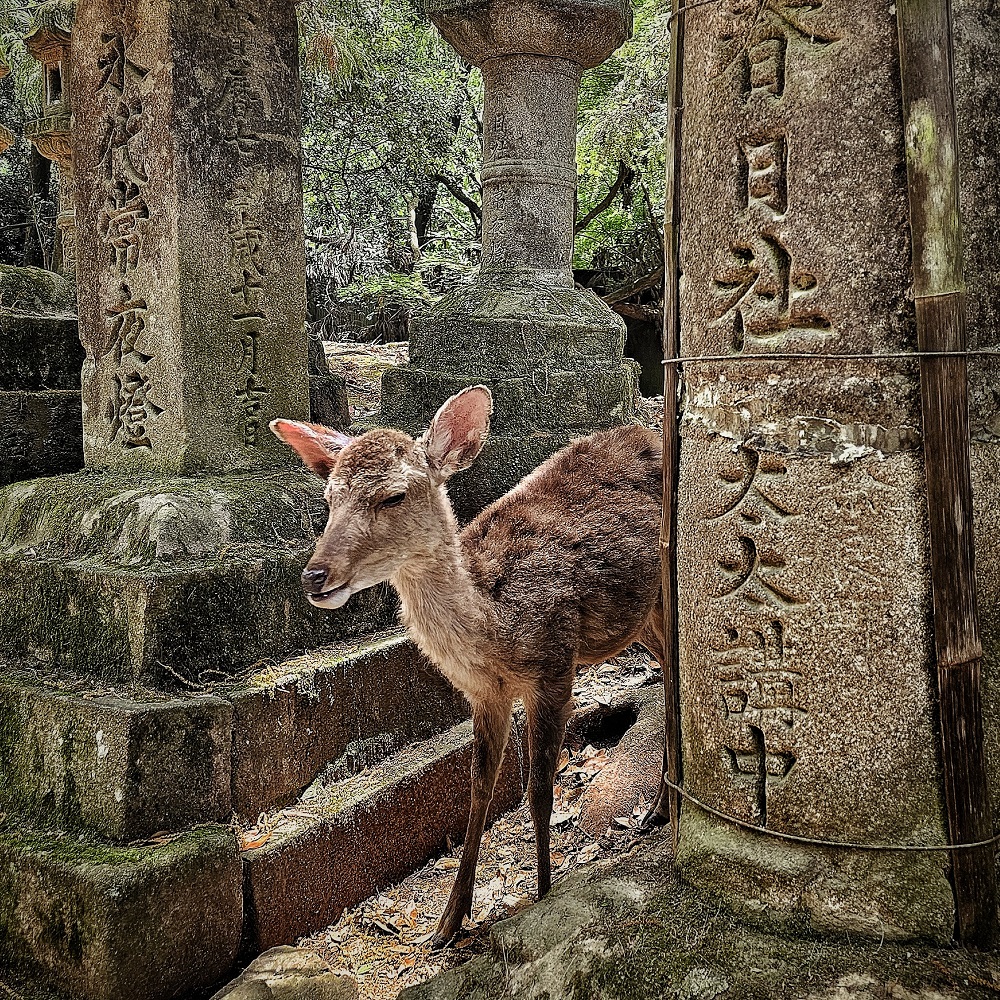

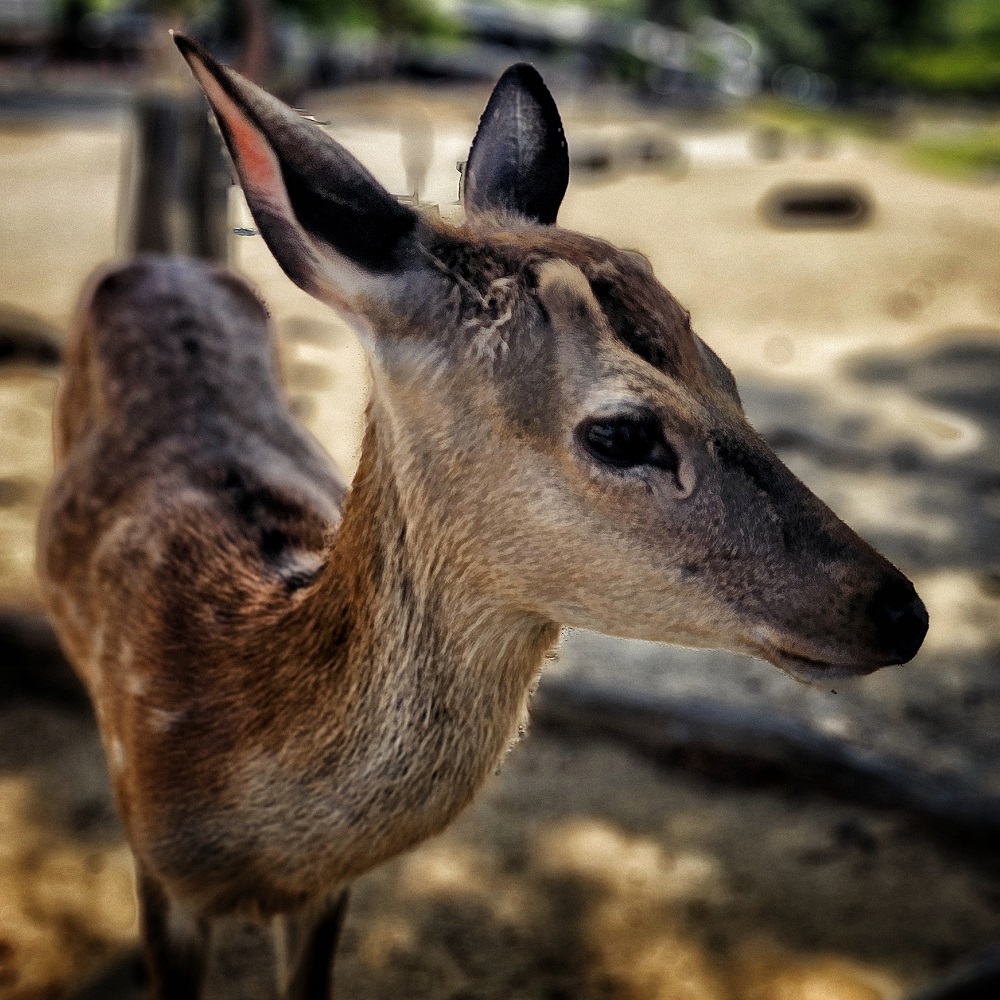
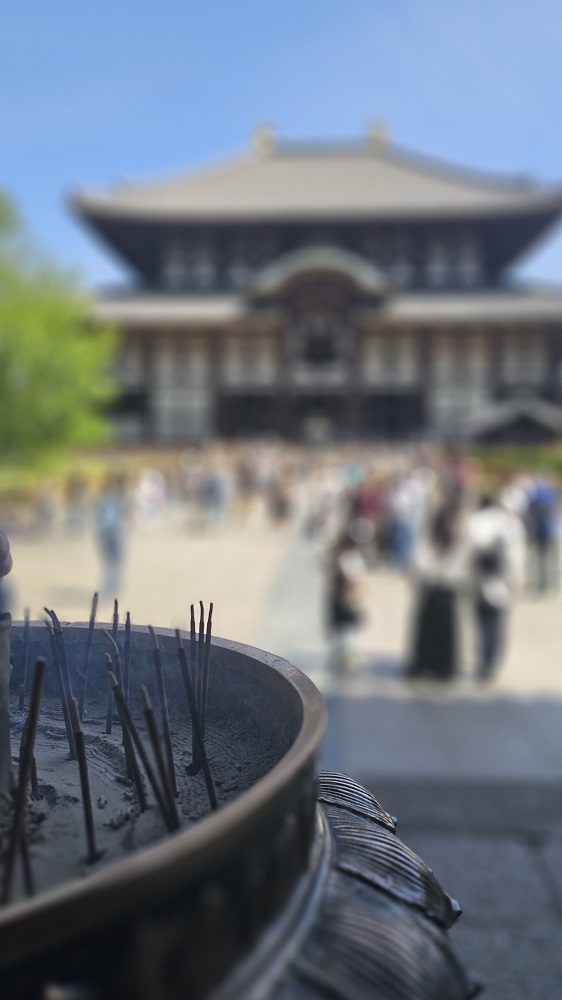
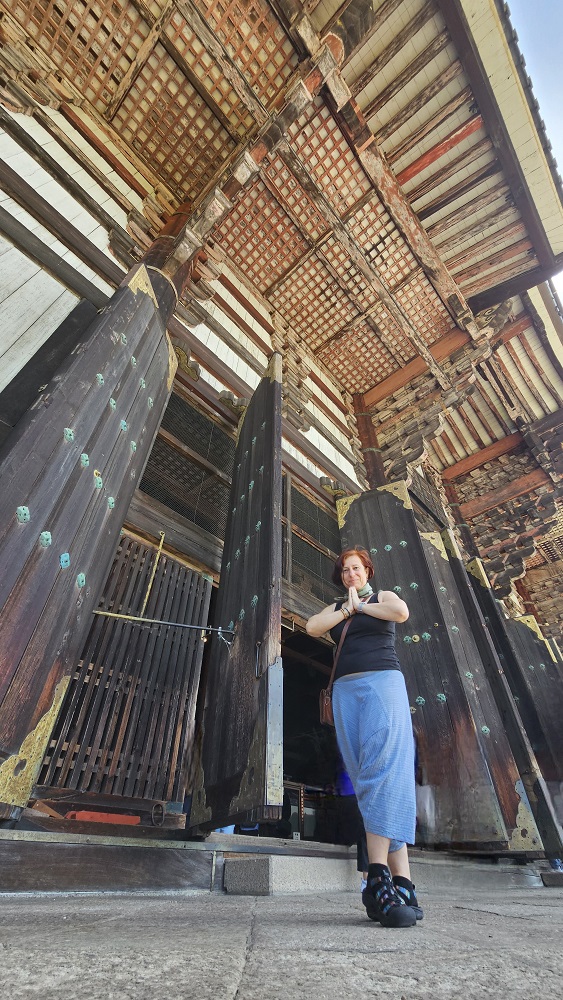

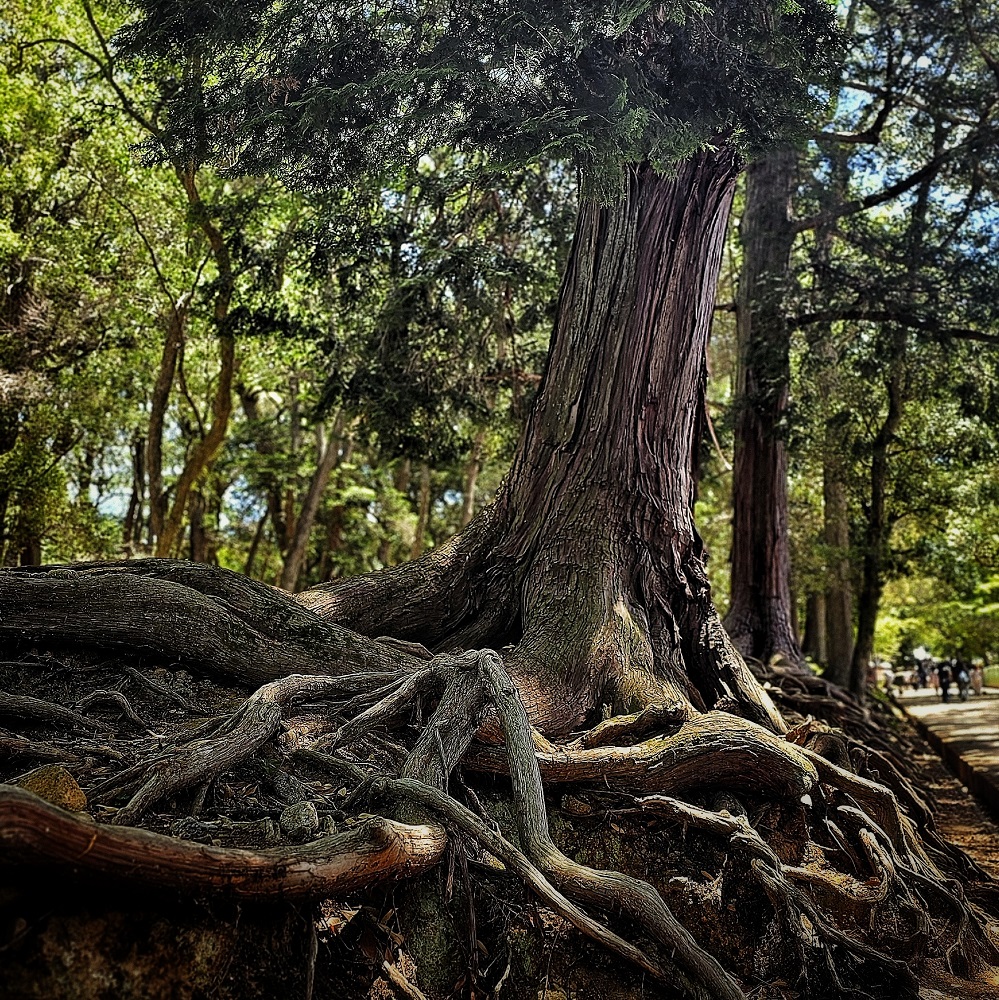
- Nara Settlement ********* I took a break from my tour schedule in Nara and discovered that there was so much more to the old capital than just the temple. Don’t miss the settlement behind it, adorned with noble houses, palaces, gardens, and tiny shrines!

The Heart of the Japanese Spirit: Kyoto
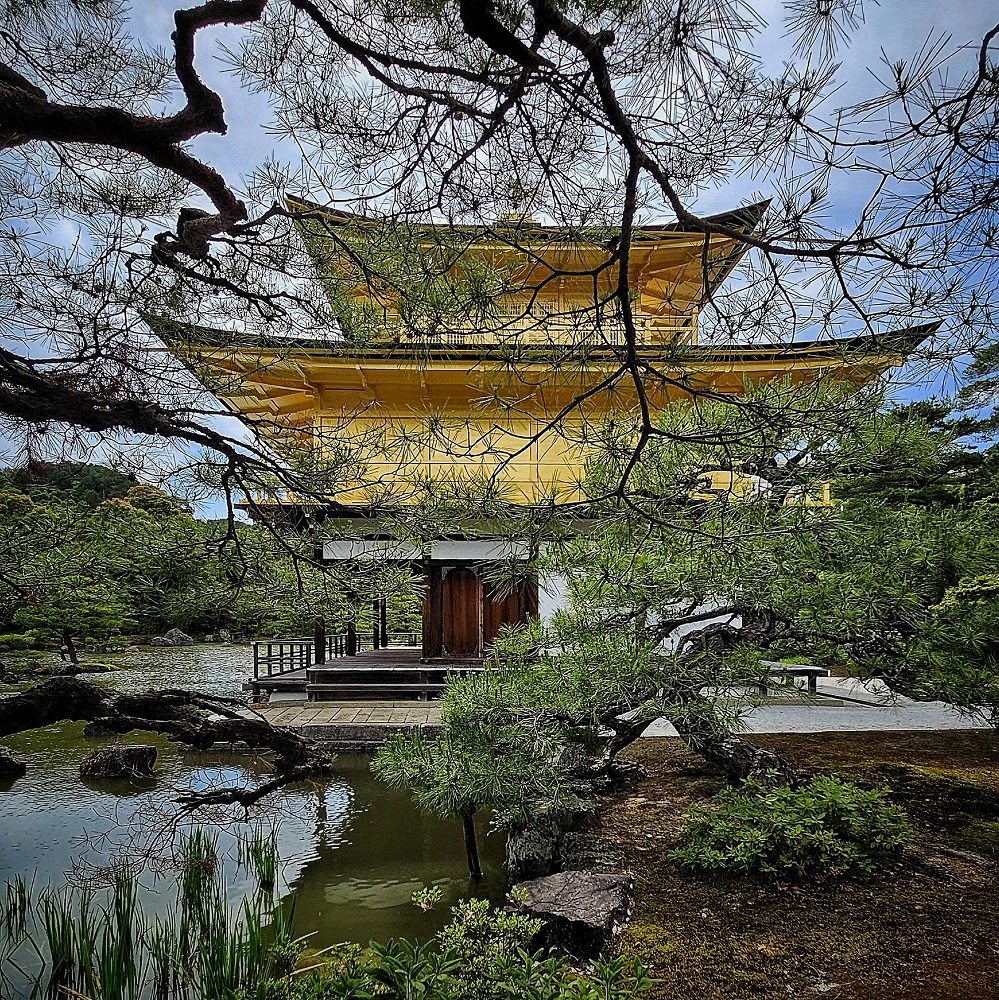
- Kinkaku-ji (Golden Pavilion Temple) ***** The gold-plated reflection on the pond is a true aesthetic marvel. But since it’s a tourist magnet, you need to find a quiet spot.
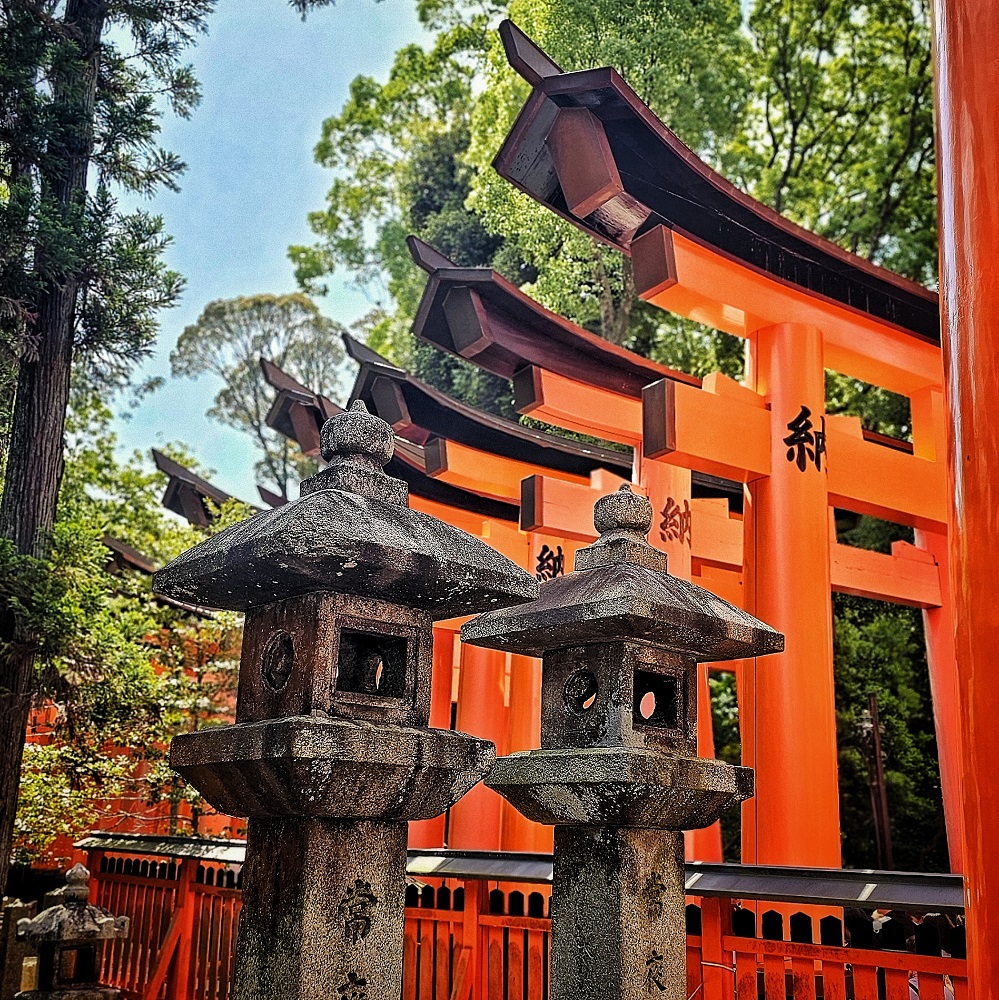
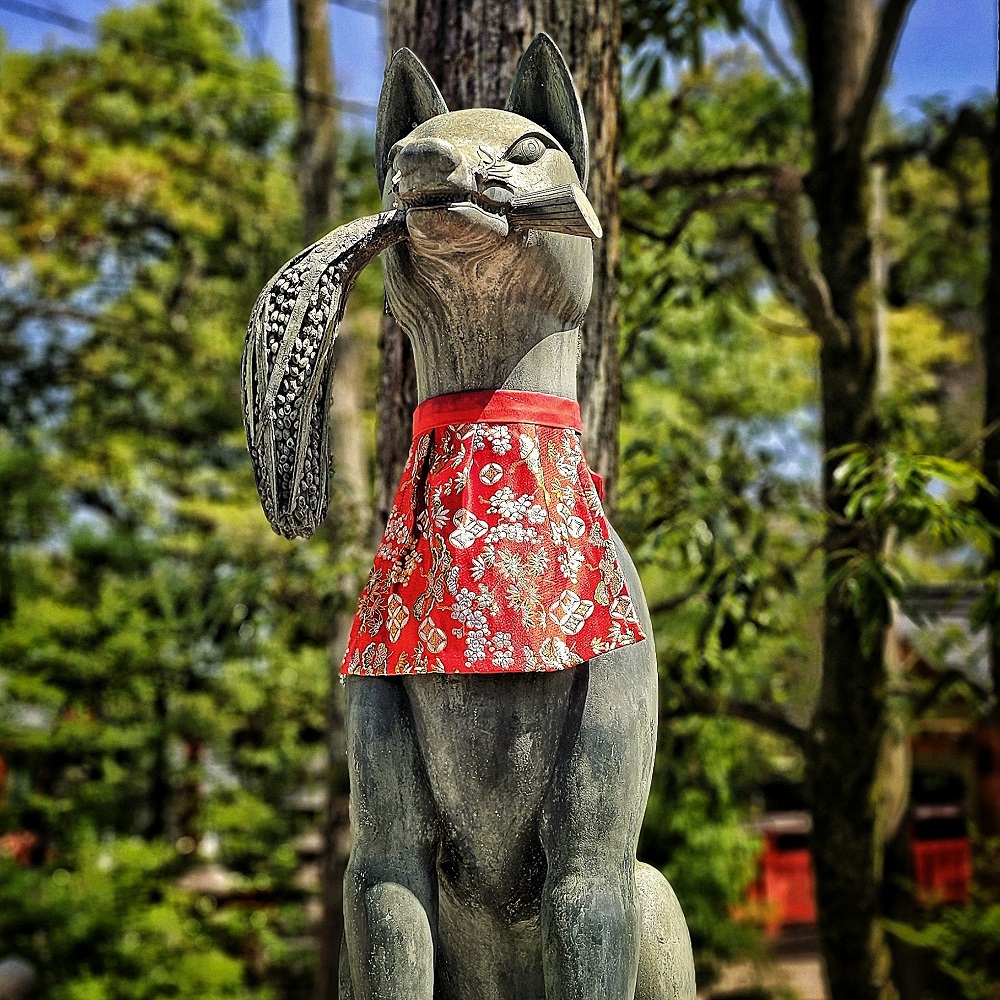
- Fushimi Inari Temple ****** Walking through those mystical tunnels formed by thousands of red torii gates. This is a real tourist pilgrimage site; I almost suffocated in the crowd trying to climb up through the gates. I avoided the usual route and climbed up via side paths. The descent is also via a gated path, so the return was easy.

- Nishiki Market ***** Kyoto’s culinary street offers fresh seafood and local snacks. It’s the right place to buy traditional produce.
- Gion Region & Traditional Tea Ceremony ****** Traces of geisha culture and a timeless tea ceremony ritual.
3. Shopping: What to Buy from Japan, and Where to Buy It?
Japan is a veritable treasure trove when it comes to shopping. Below, I’ve listed the advice I received before my trip, the things I personally noted down as needs, and the experiences I had.
Kitchen & Gourmet
- Dashi Powder
- Katsuo-bushi (Dried grated bonito)
- Furikake (Rice seasoning)
- Nattokinase (Fermented soy)
- Miso (Dried seaweed, White / Red)
- Shichimi (Seven kinds of spice seasoning)
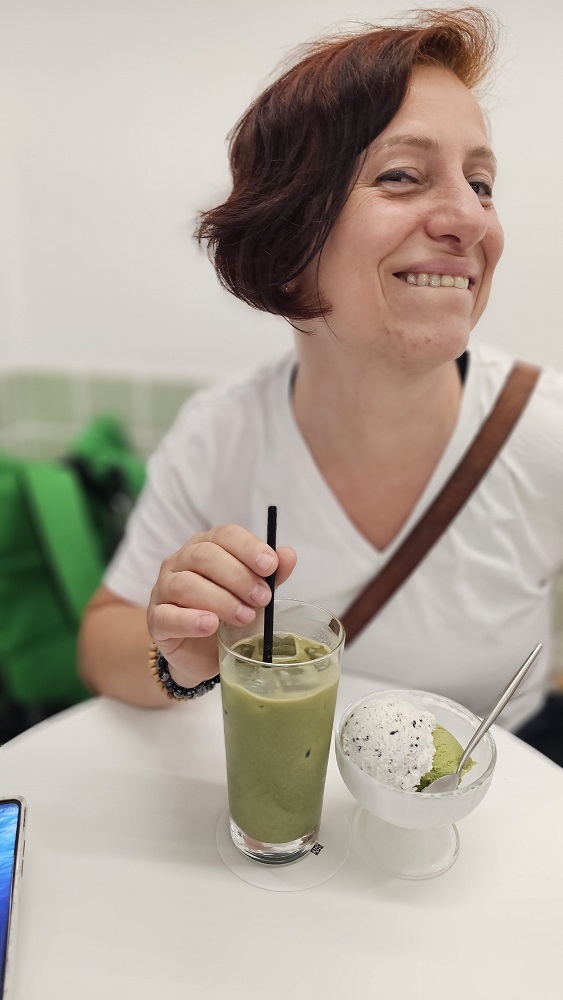
- Matcha & Green Tea Products: Especially from the Kyoto / Uji region.
- Dried seafood: There’s an incredible variety, from tiny crabs to mackerel, octopus to squid, scallops to mussels. I bought different kinds; but be careful, some of them are sugary.
- Japanese Knife: Don’t skip over this topic—they really have some incredible knives. Coming in all shapes, sizes, and quality levels, every single one of them is amazing, even the cheapest.
Maintenance & Traditional
I’m not a cosmetics enthusiast, so I didn’t get into that topic… But those who are interested bought a crazy amount!
- Traditional Soap (Eda brand)
Alcohol & Beverages
- Whiskey: Hakushu (+++) │ Gourmet choice
- Whiskey: Yamazaki (+++) │ Gourmet choice
- Whiskey: Suntory Toki (++)
Technology & Stationery
- DJI Osmo Pocket 4
- Casio Watch
- Itoya Stationery (Tokyo)
- Akihabara Electronics & Anime Market
Textiles & Second Hand
- Branded Suitcases (Ali / Trunk models)
- Japanese Denim / Jeans Products
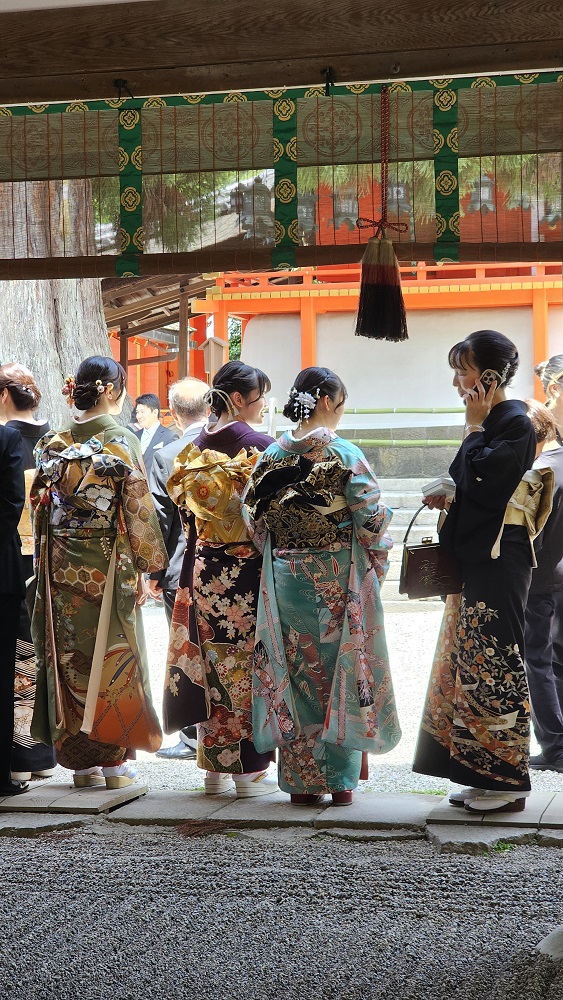
- Traditional Clothing
- 2. El Vintage (Yukata / Kimono)
- Asics sports shoes

Extra Shopping Tip from Zeynox:
- Don Quixote (Donki) Stores: These complex stores, open 24 hours a day, are the first stop for buying cosmetics, snacks, and tech gadgets tax-free. They’re packed with tourists, especially Turks! For me, it was too crowded and chaotic. So much so that it put me off shopping!
- Big Camera Stores: This is another chain store. But it’s much more spacious and comfortable. I bought many things here, including my suitcase, watches, whiskey and matcha.
4. Food & Drink Experiences
- Street Food vs. Restaurants: At Dotonbori, sample steaming hot Takoyaki (octopus fritters) and Okonomiyaki.
- Conveyor Sushi Experience (Kura Sushi): You order from the screen on the table, and the plate is brought to you from the conveyor belt; optimum price/quality performance.
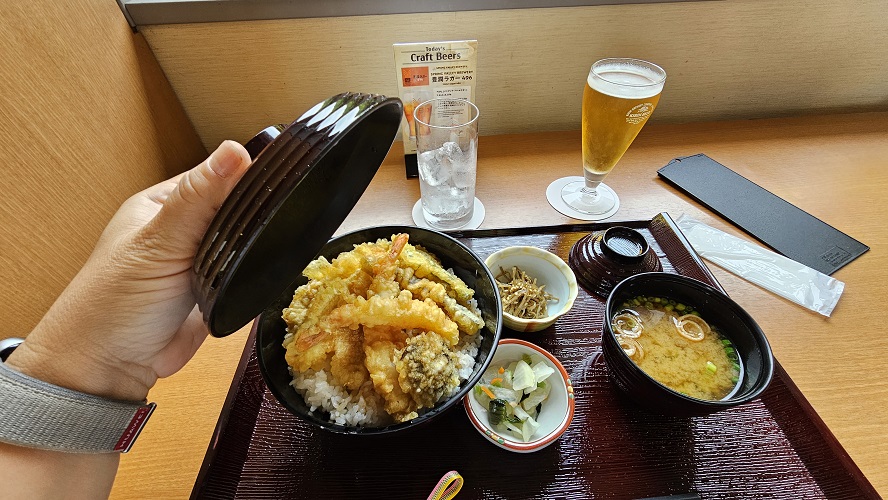
- Traditional Cuisine & Set Menus: The Fuji tour includes local set menus, the fresh seafood on the go at Nishiki Market, and of course, the elegant sweet treats at the traditional tea ceremony in Gion.
- Tokyo Banana: They’re everywhere… At first glance, I just dismissed it. But then I tasted it and was amazed! As with everything else, there’s no compromise on quality in Japan when it comes to desserts.
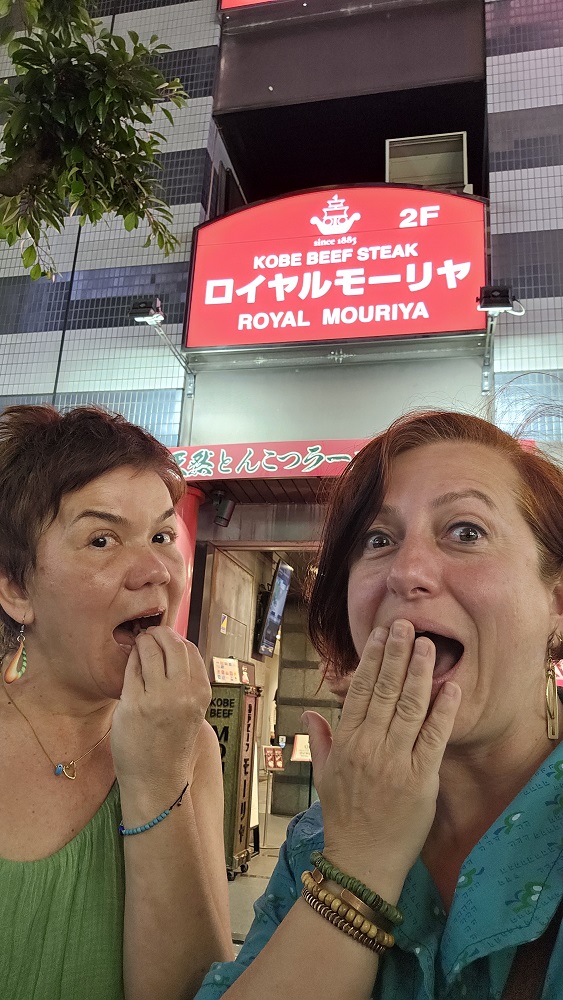
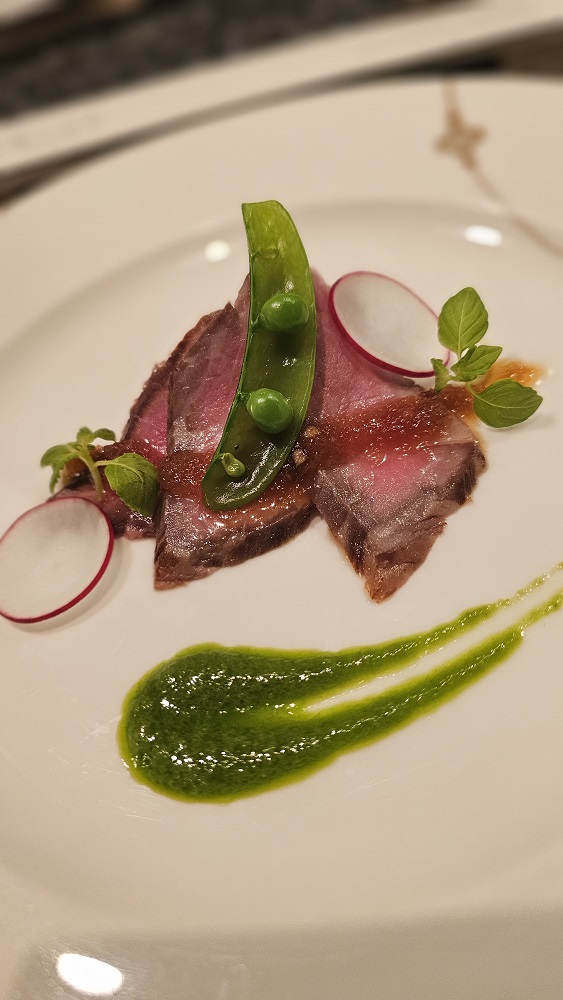
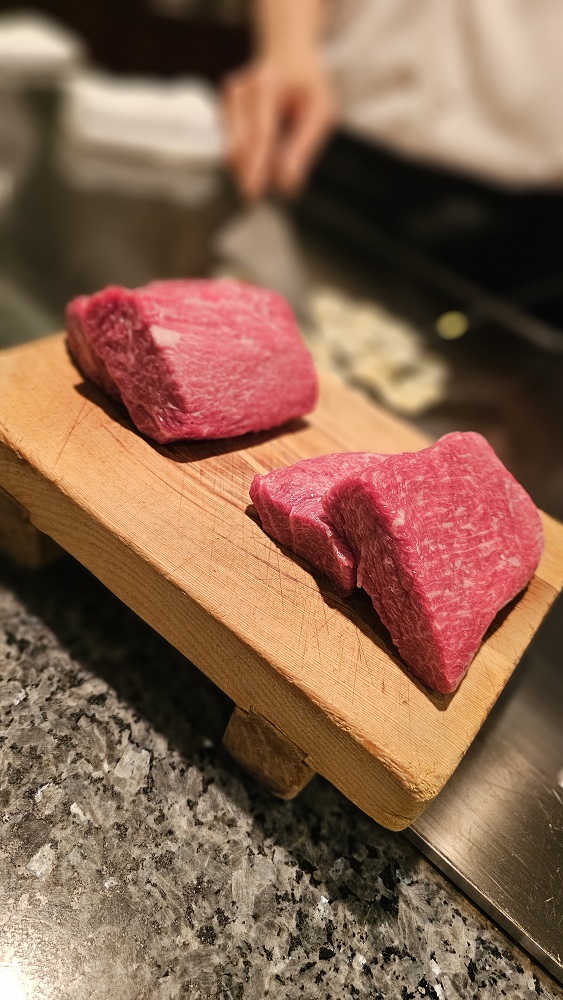
- Dinner in Kobe: You’ve probably heard of Kobe beef… The service here offers an explosion of flavor with the meat and so much more! My recommendation is to experience it in a quality restaurant, with your personal chef preparing your food for you. Depending on your chosen menu, everything from vegetables to garlic is meticulously cooked on a perfectly clean stainless steel grill right in front of you. We had dinner here – Kobe Beef Steak Restaurant Royal Mouriya : https://maps.app.goo.gl/VDjXLJuT57LpuNtw7
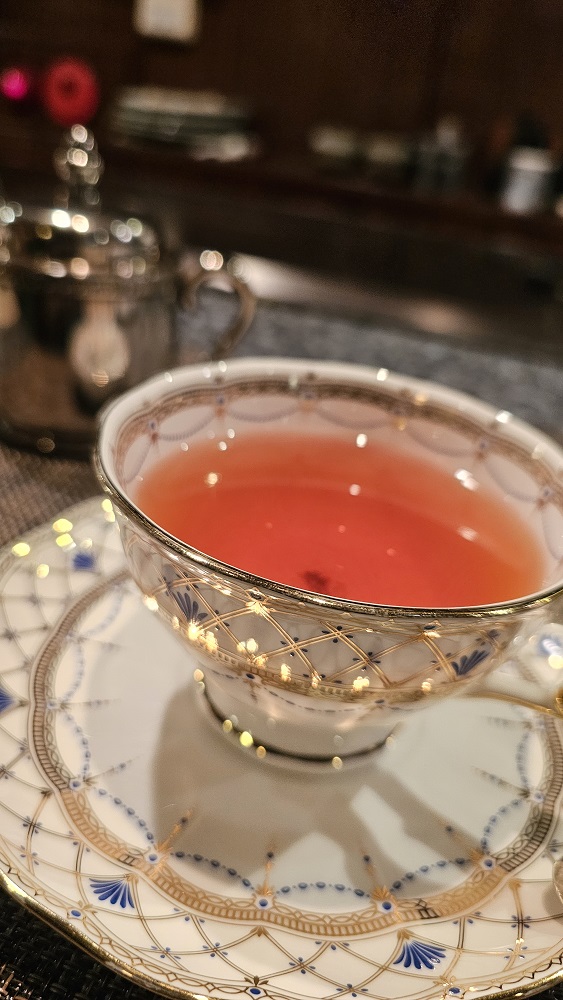
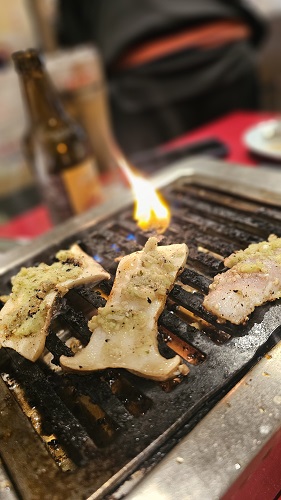
- All-You-Can-Eat Experience: Available in many cities; in Kyoto, we went to a crab and wagyu restaurant. They place a gas stove in the middle of the table, and you can eat and drink as much as you wish, including alcohol. It makes for a magnificent dinner. We ate here – Sukiyaki Snow Crab & King Crab All-You-Can-Eat Wagyu and Crab Sanjo Kawaramachi Branch : https://maps.app.goo.gl/W8dSgKrFZhAaoRtT6
5. Critical Recommendations & Life-Saving Tips
- Walking Factor and Shoe Selection: Similar to trips to Egypt or Morocco, we had 15,000 to 20,000 steps daily. Comfortable and easily removable shoes (for temple entrances) are essential.
- Tax-Free Shopping: Never leave your passport at the hotel. They offer an instant 10% tax refund at the checkout for purchases above a certain amount.
- Lack of Trash Cans & Cleanliness: Finding a trash can on the streets is practically impossible! Everyone carries their trash with them. Having small resealable bags with you is a lifesaver.
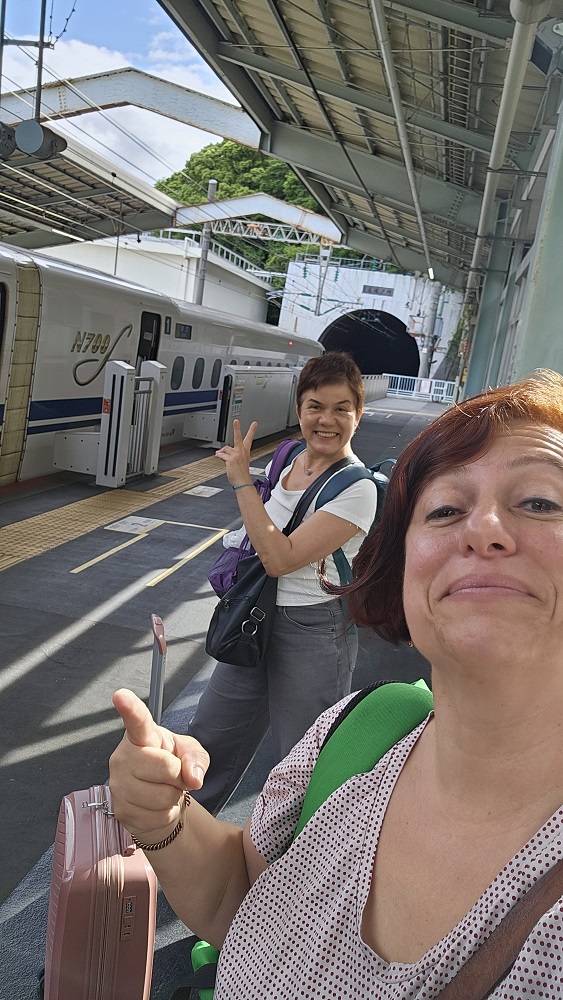
- Luggage Transfer and Shinkansen:Moving around trains with huge suitcases is difficult. The biggest advantage of traveling with a tour group is baggage logistics; however, when traveling individually, it’s easier to manage luggage at train stations.
- Go lightly, you’ll come back heavy: This is something everyone talks about… Going to Japan with minimal luggage and maximum space; using up your baggage allowance to the fullest! It’s true, but I recommend paying attention to a few things. Some airlines, including Turkish Airlines, have updated their maximum baggage size limit; those huge suitcases are no longer accepted. I advise checking measurements first. Also, it’s easier to buy a suitcase there than to carry an empty one. That’s what I did; I even bought a set of two suitcases and brought them back nested inside each other. Because you are allowed two checked bags.
- Second Hand World: Japan has a fantastic second-hand market. I later heard that if you plan ahead, you can find high-quality, well-maintained second-hand tech products as well. I mostly opted for clothing. I bought some gorgeous silk and Japanese cotton items. Every city has second-hand shops; Kyoto, however, is number one for traditional clothing.
- Hiroshima Route on the Tour: In our itinerary, Hiroshima was actually a bit off the beaten path, as it carries traces of a more recent historical event. Both conceptually and geographically; and because we learned so much about World War II in school, it’s a familiar stop for us. It seems they included it despite its distance due to high demand. I would have included it in a longer trip to Japan rather than just as part of this itinerary. Or at least, instead of taking the high-speed train there and going back to Kobe with a bus, I would have saved time with the fast train again. And that’s exactly what we did… After the guided tour of Hiroshima, we quickly visited the museum and bought our own Shinkansen tickets; we went to Kobe early. This gave us the opportunity to explore Kobe during the day and take a break from the rush. Moreover, while the rest of the group barely made it to dinner, we were enjoying a fantastic Kobe beef experience!