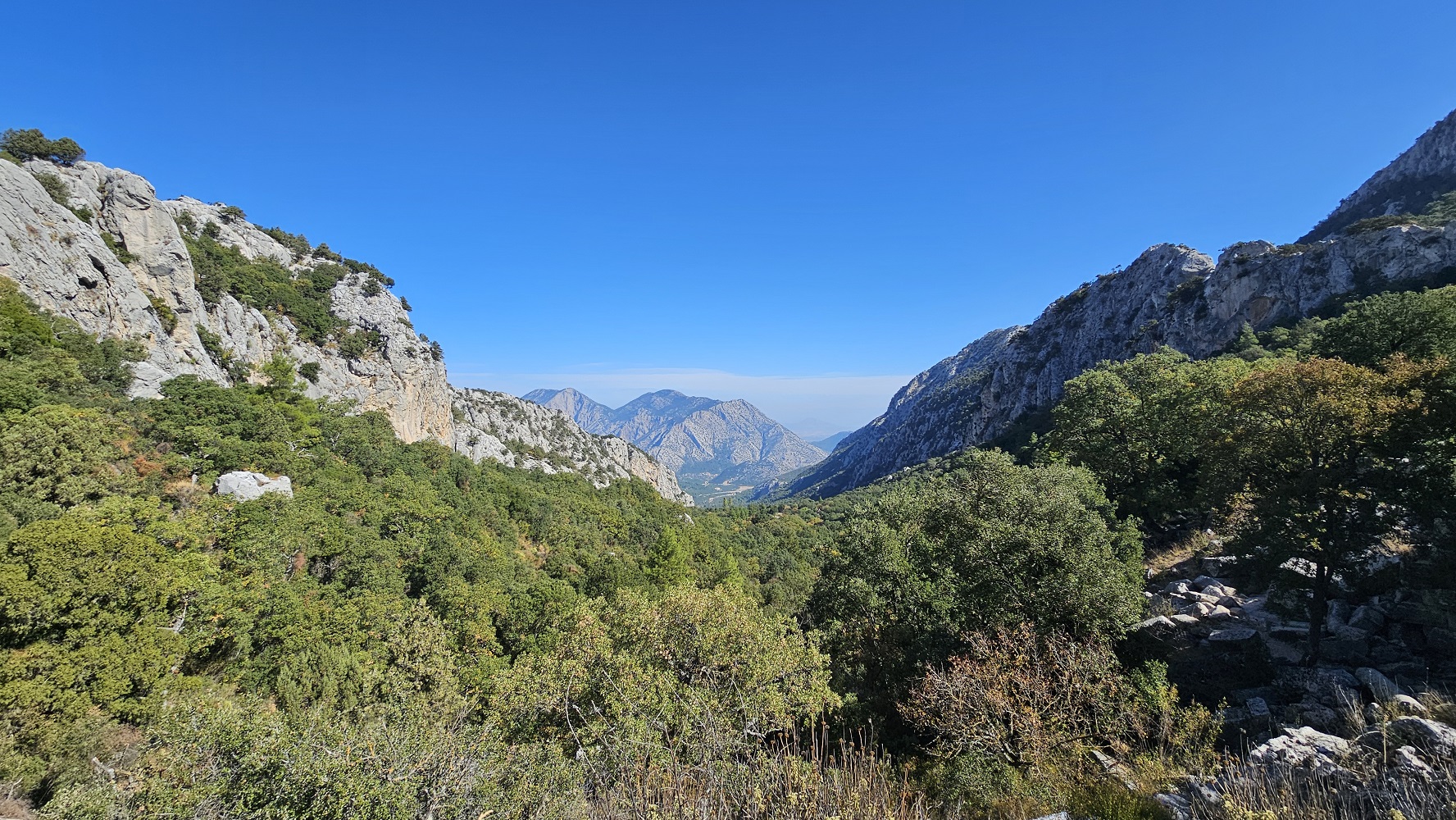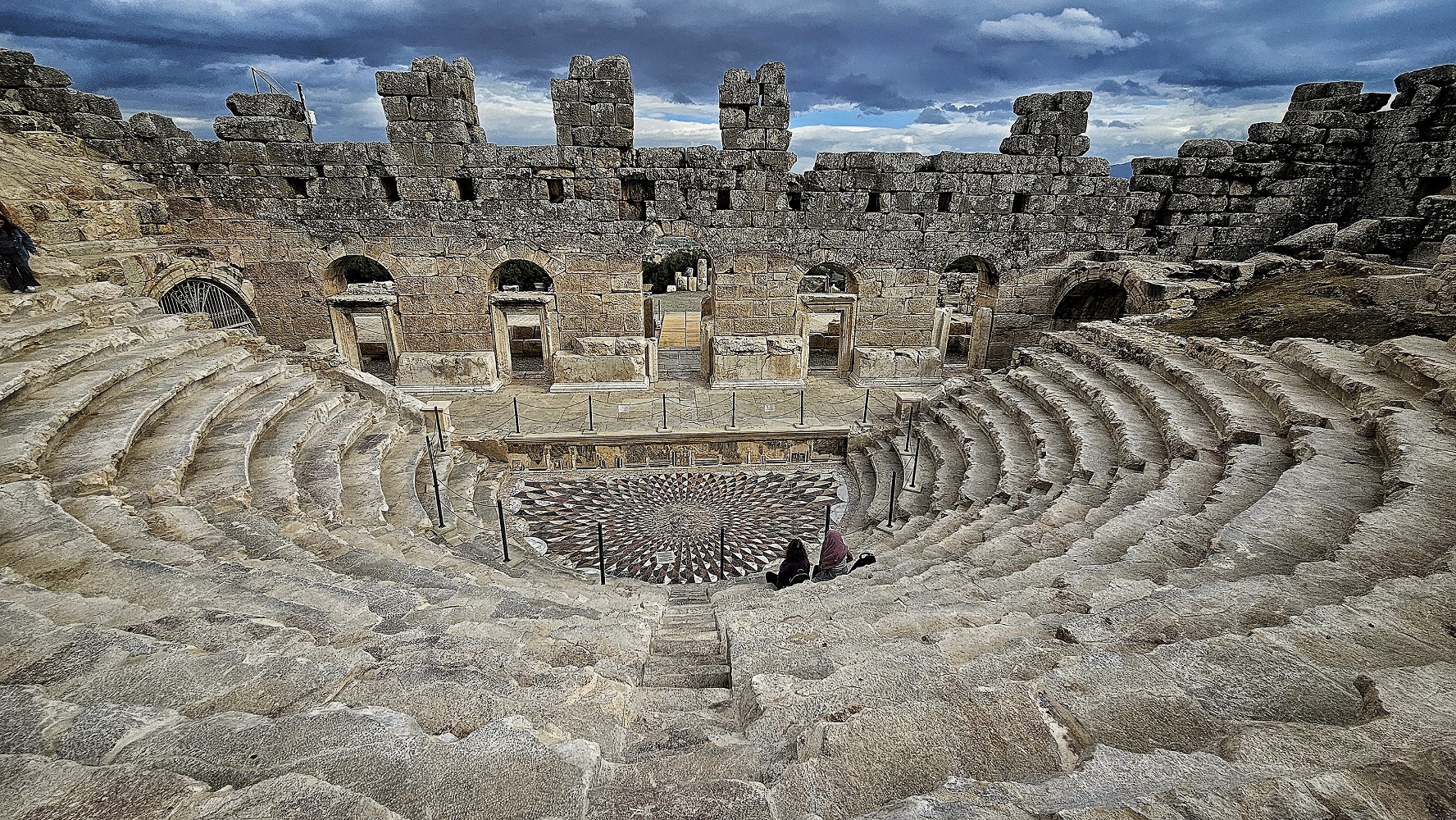
Kibyra stands alone a little out of the way… The city sits proudly on a hilltop, a bit far from the coast and touristy sites. It’s two hours from Antalya, and about an hour each from Burdur and Denizli; nestled among the mountains in a town called Gölhisar.
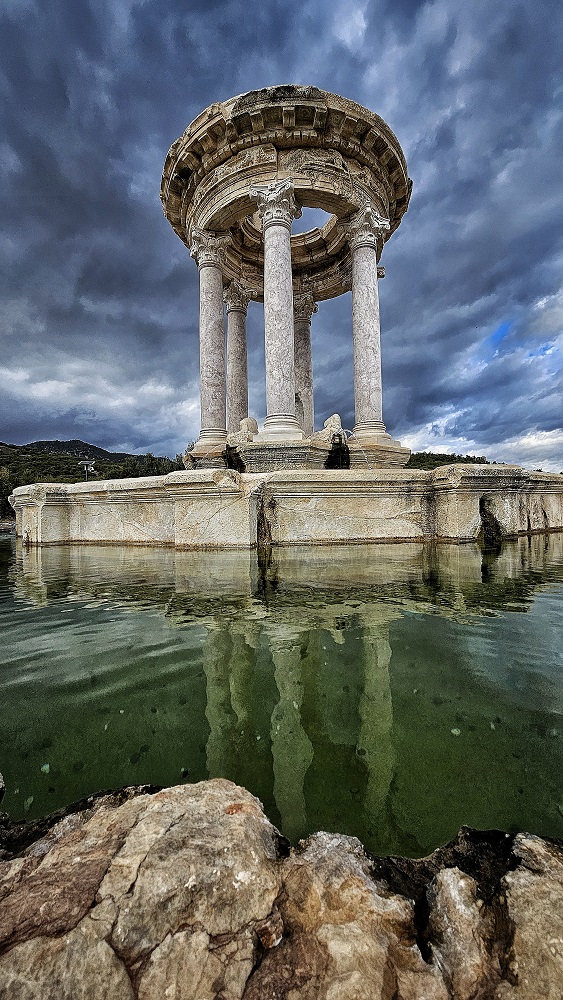
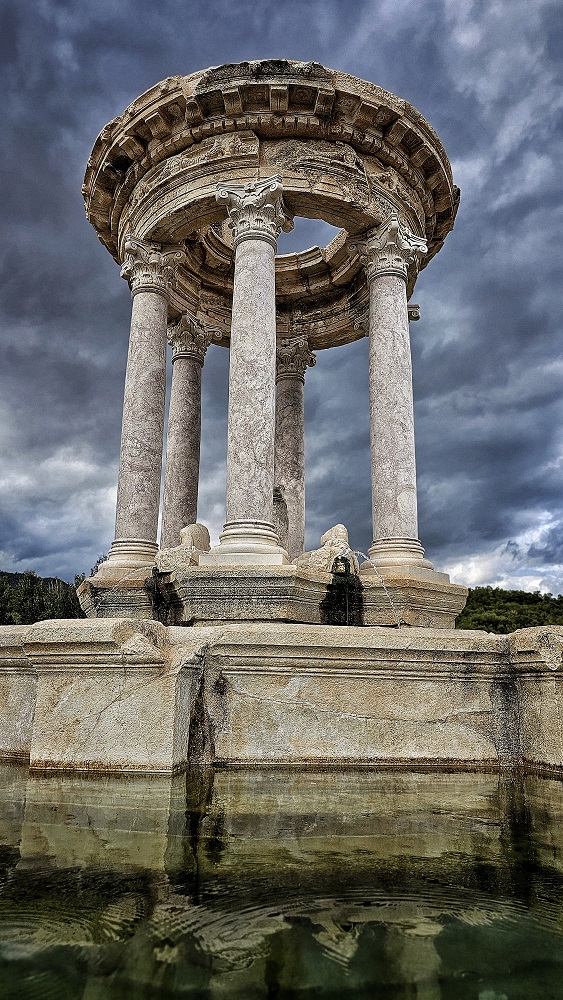
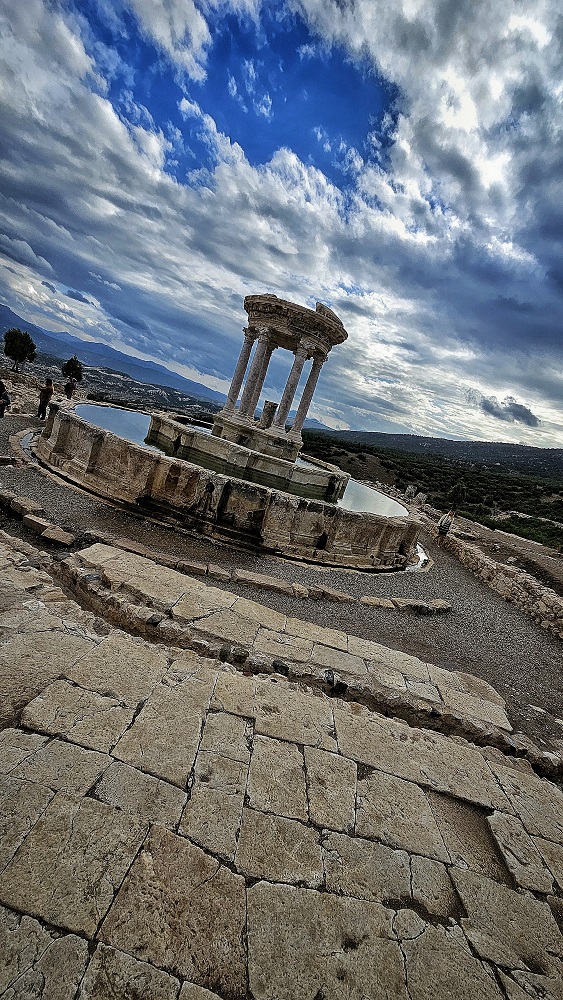
But it deserves its arrogance to be honest… It should be proud of its magnificent mosaics that have been recently unearthed (especially the Medusa in the theatre), its magnificent settlement spread over the slopes of the hills and the hypnotic fountain that still runs today.
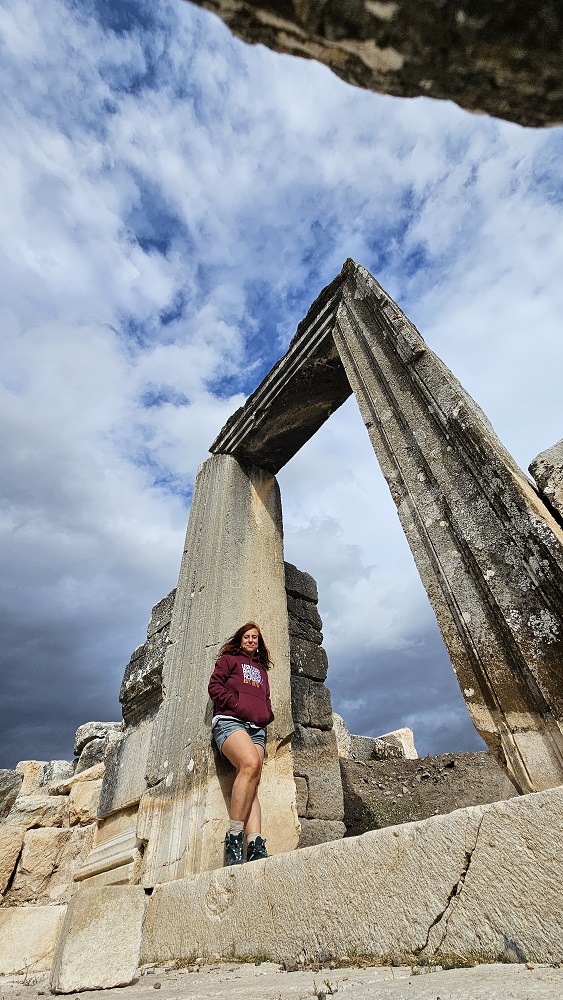
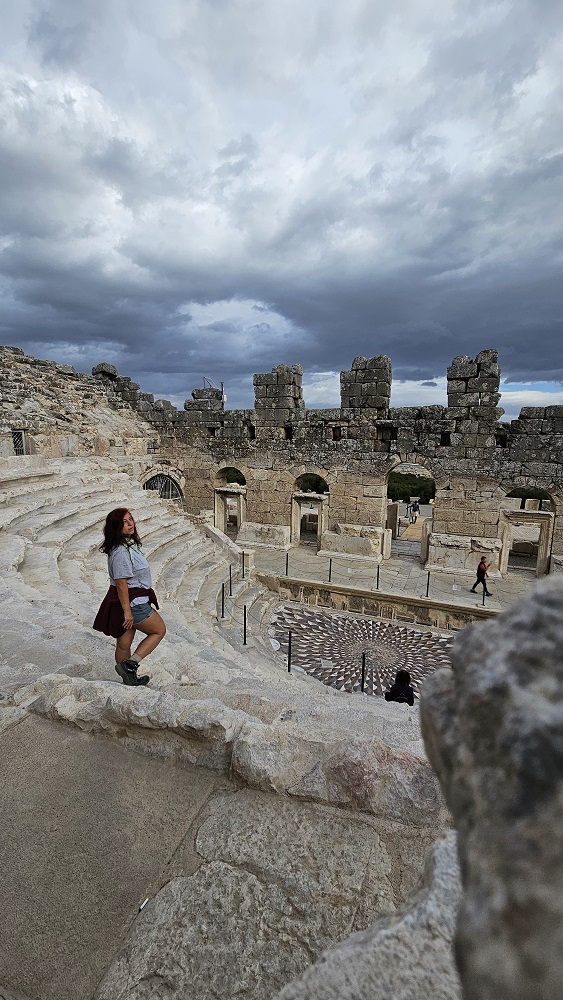
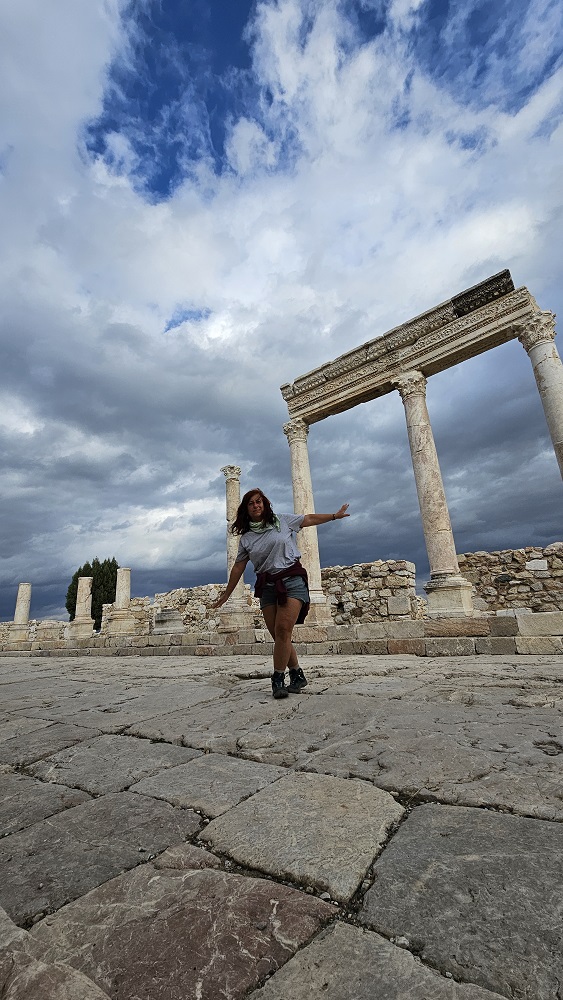
Because I was so impressed by the magnificent ruins of Kibyra at the Burdur Archaeology Museum earlier during my spring visit; I thought I absolutely had to visit it. So, after leaving Antalya and visiting Termessos, I arrived at the site in the latter half of the day. There are parking spaces on two levels; I parked at the higher one and followed the route down. It took me about two or three hours to explore the entire city. Finally, I hitchhiked up from the lower parking lot. At the end, I’d conquered two ancient cities on two mountains in one day; but they were the actual victors. Kibyra’s arrogant beauty was worth it!
Historical Information
The ancient city of Kibyra is located on three dominant hills separated from each other by deep cliffs in the Horzum neighborhood of the Gölhisar district of Burdur.
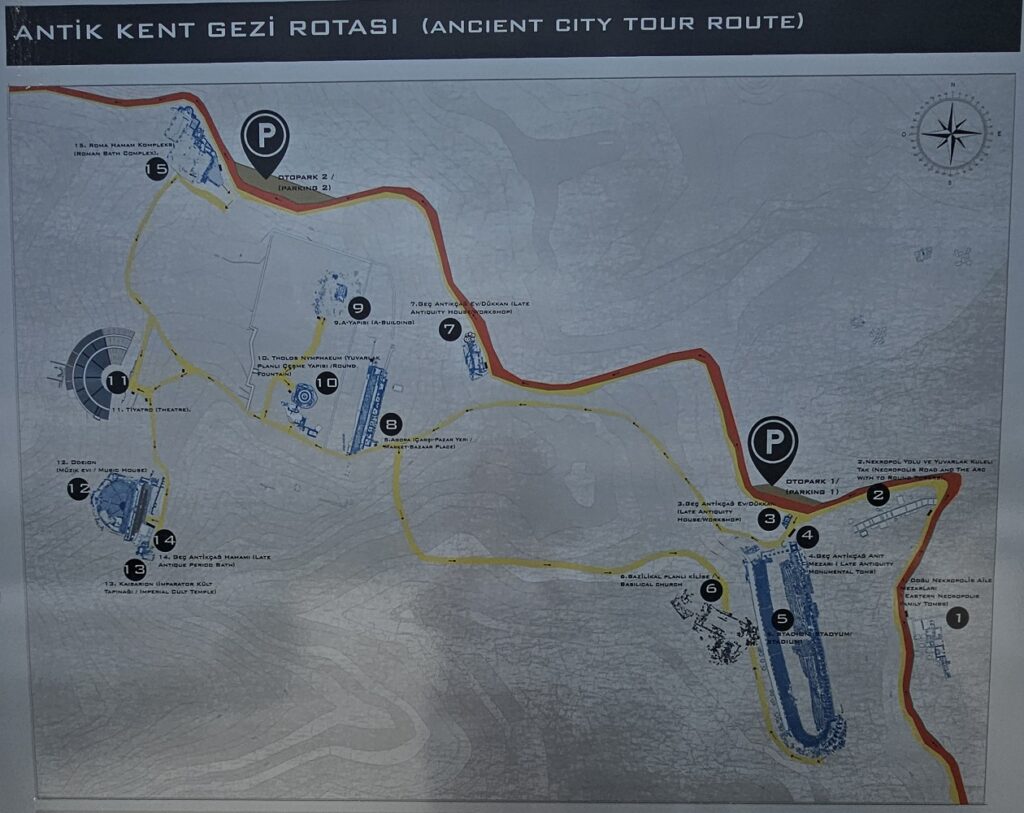
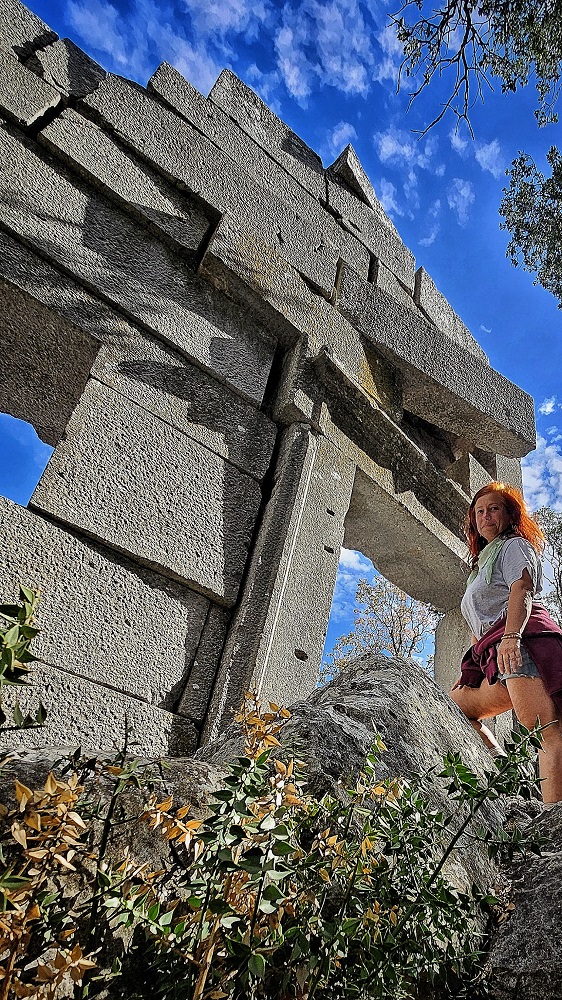
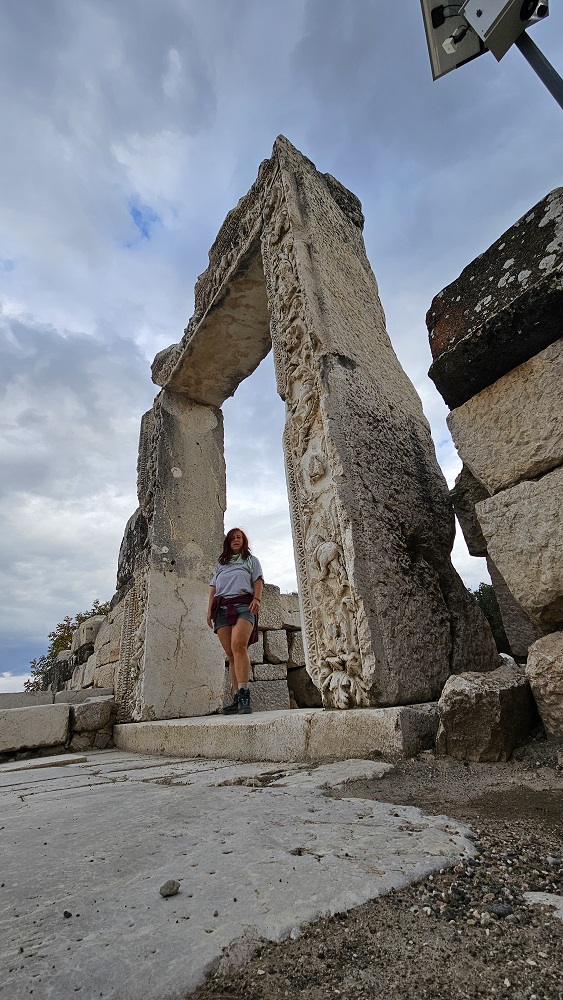
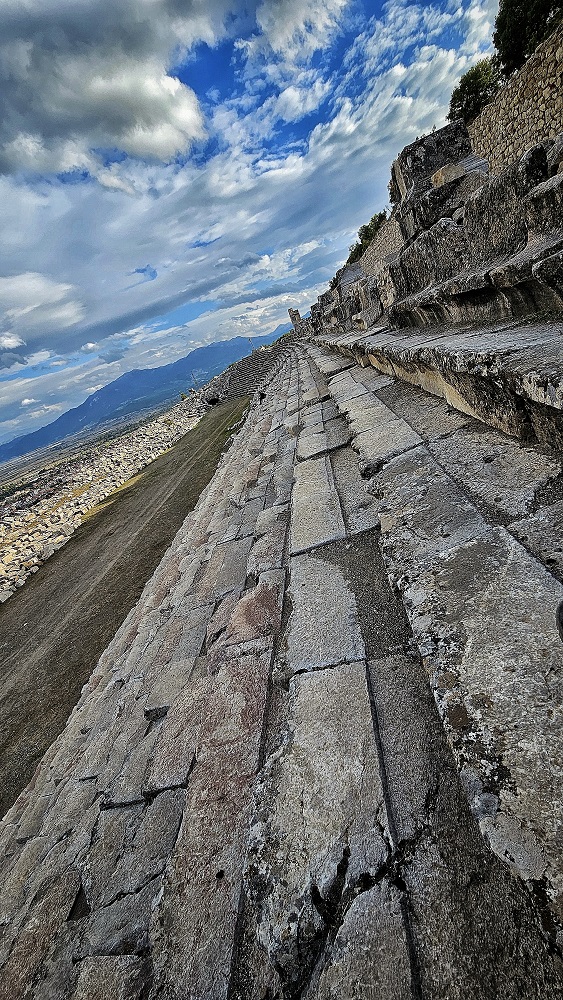
The city’s settlement area is quite extensive. The buildings are arranged symmetrically, with hilly terraces dominating the lake and plain views, ensuring that no structure obstructs the view of another. As you enter the city, on the left is a magnificent monumental gate and the most magnificent stadium in ancient Anatolia, with a capacity of 12,000-13,000 people.
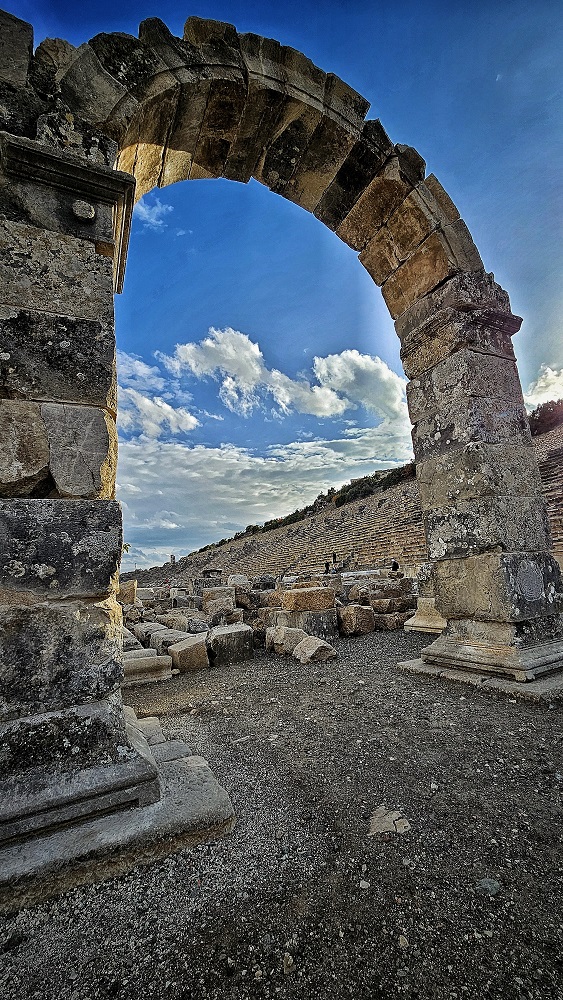
As we proceed, we see the basilica, the upper and lower agora, the bathhouse, the gymnasium, the theater, the council building, a planned mausoleum, a bathhouse, a round-towered arch, and aqueducts. The council building/music house, with its capacity of 3,600 people, is one of the most magnificent works of ancient Anatolia. Located in the heart of the council building/orchestra, the Medusa Mosaic, made of red, green, and white marble, with its hair composed of snakes and its gaze that turns people to stone, is unique in Anatolia.
In 2011, a mosaic, covering 540 square meters and considered the largest and most intact mosaic site in Anatolia, was unearthed in front of the parliament building. Also in front of the parliament building was a Roman bathhouse and a ceramics workshop dating back to the Late Roman Period (6th-7th centuries AD). All the architectural remains visible in the city today date from the Roman Imperial Period.
Cibyra appears to have been under the rule of the Kingdom of Pergamum during the reign of Eumenes II (197-159 BC). Immediately thereafter, a four-party council (2nd-1st centuries BC) was formed, consisting of the ancient cities of Cibyra and its surroundings: Boubon, Balboura, and Oinoanda.
This league was dissolved and abolished by the Roman General Murena in 82 BC, and the province of Asia and other cities were incorporated into the Lycian League. The city, destroyed by a massive earthquake in 23 AD, was rebuilt by the Roman Emperor Tiberius. Cibyra experienced its most glorious period, particularly between the 1st and 3rd centuries AD.
Cibyra is renowned for its blacksmithing, leatherworking, pottery, and horse breeding. The city’s inhabitants were fiercely warlike. The parliament building, with its Medusa head and the largest and most intact mosaic area in Turkey in front of it, are noteworthy. Artifacts unearthed from Cibyra are on display at the Burdur Museum.
Source: Cultural Inventory, Ankara 2007