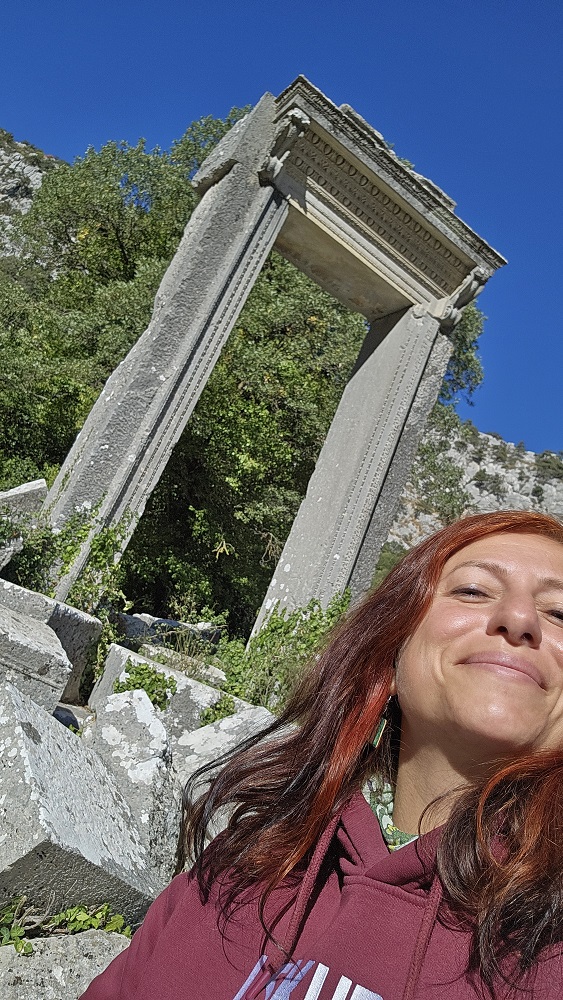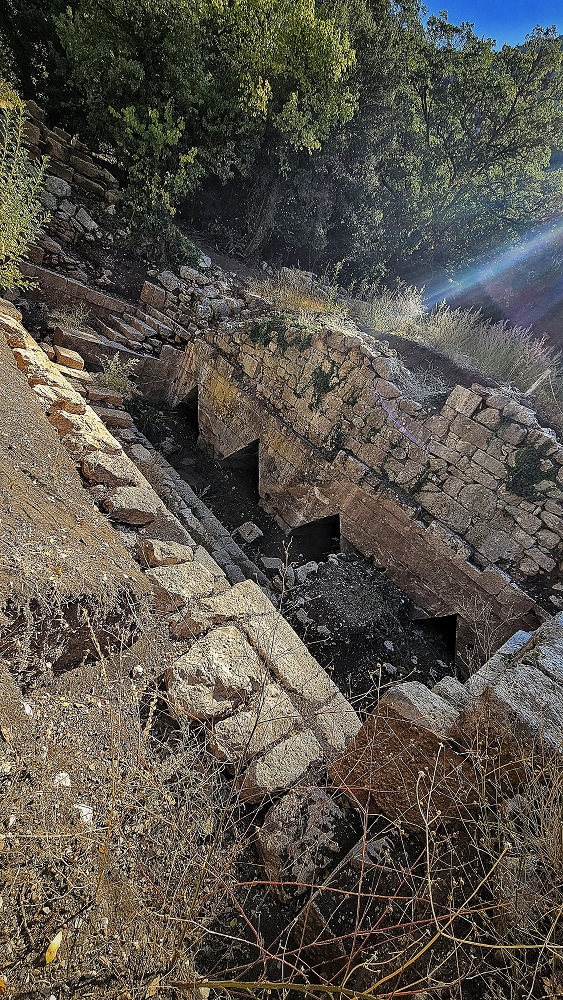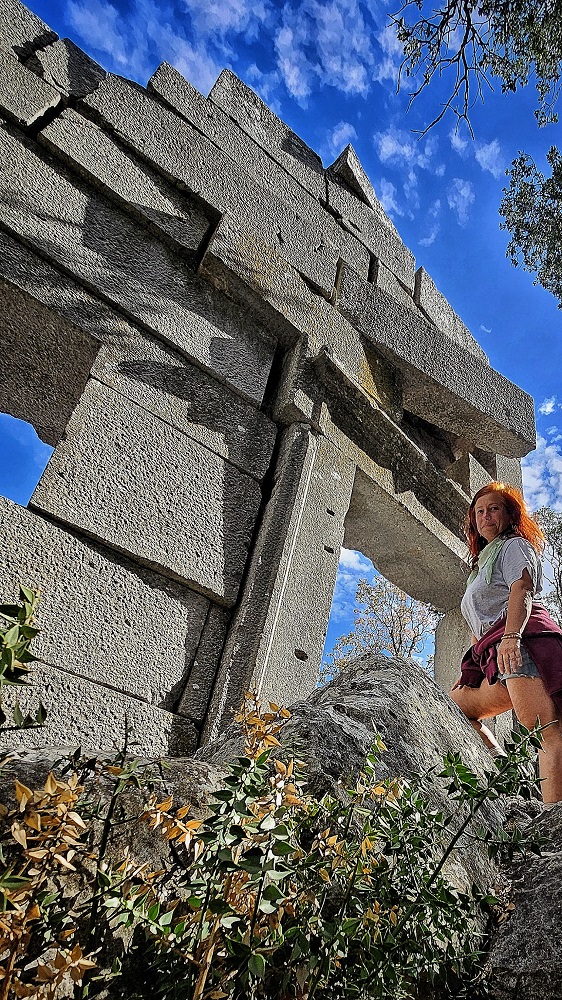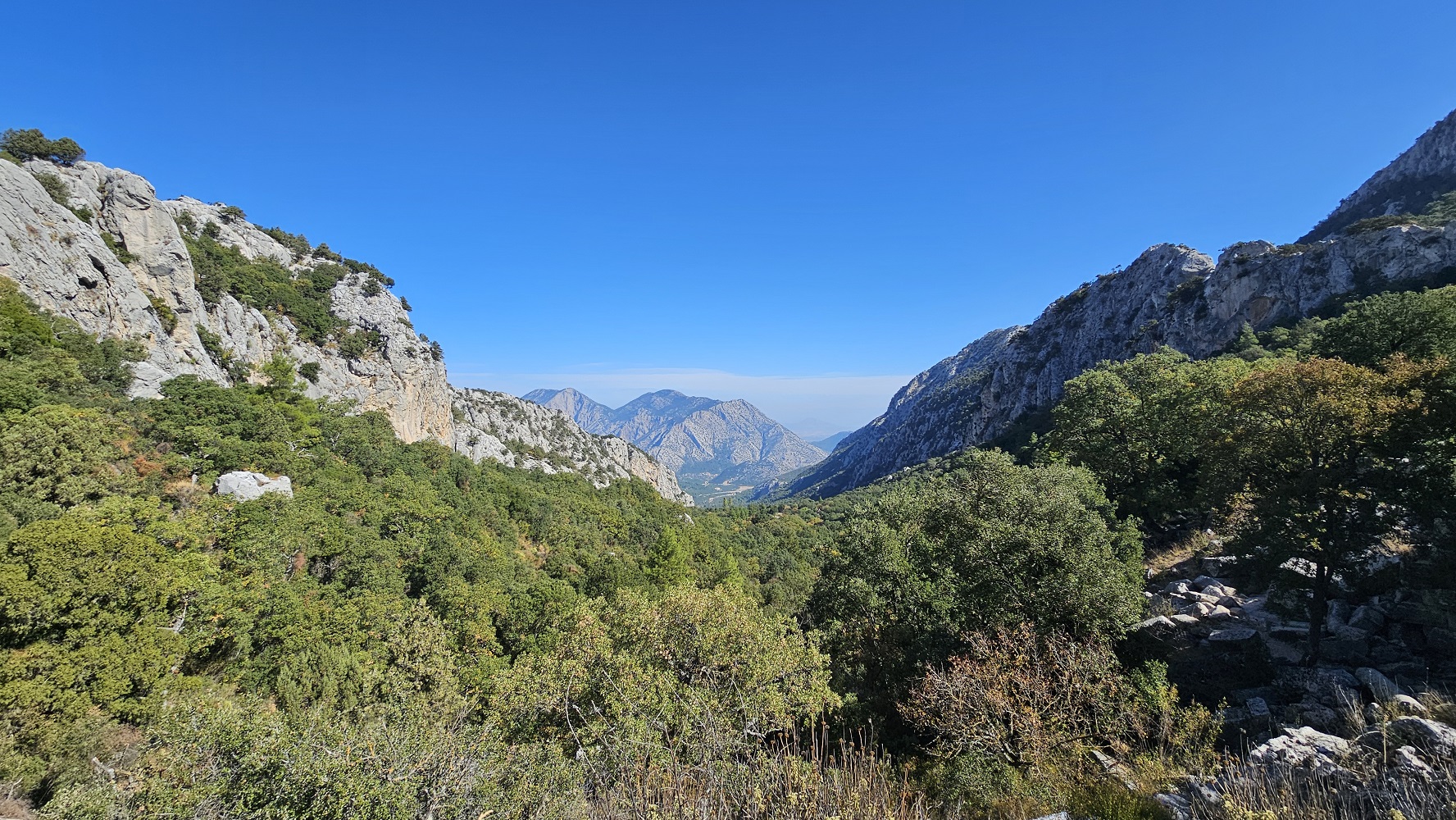
I visited Termessoss in October… It was the perfect time; the sun was warm enough, the shade was refreshing enough. I decided not to overdo my research not to have great expectations. But as I climbed the peaks, I was captivated; the site embraced me first with the beautiful nature, then with the amazing topographical layout & the glory of the ruins. The city stands high leaning against one peak and overlooking the other. At the top, I felt like a ruler and especially, while perched on the crest of that theater, the wind carried me away in historic dreams.
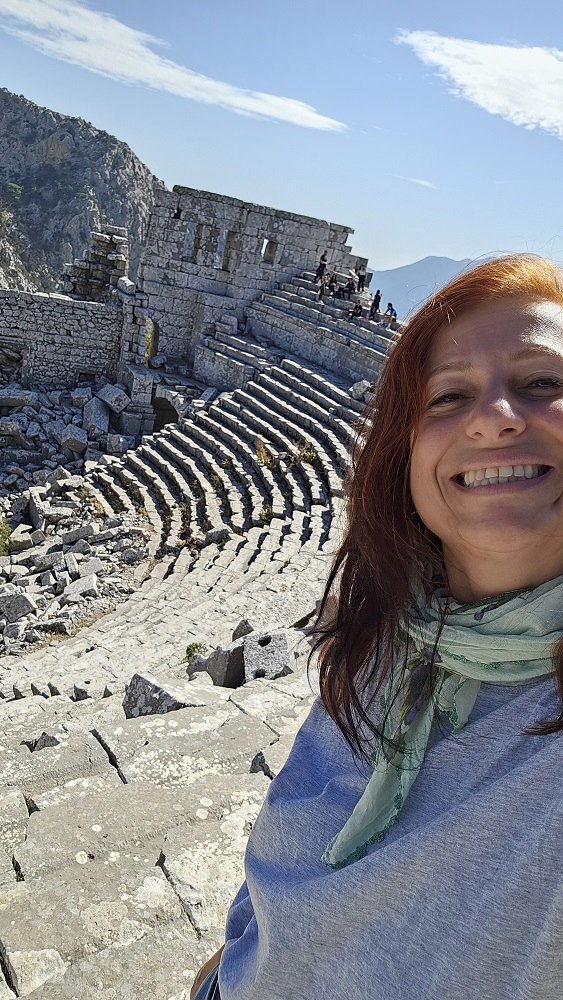
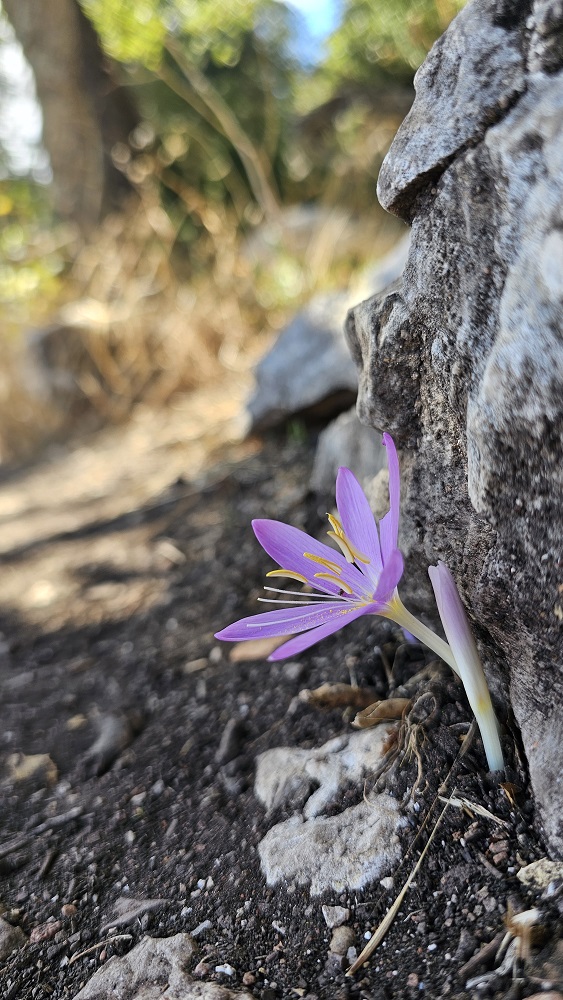
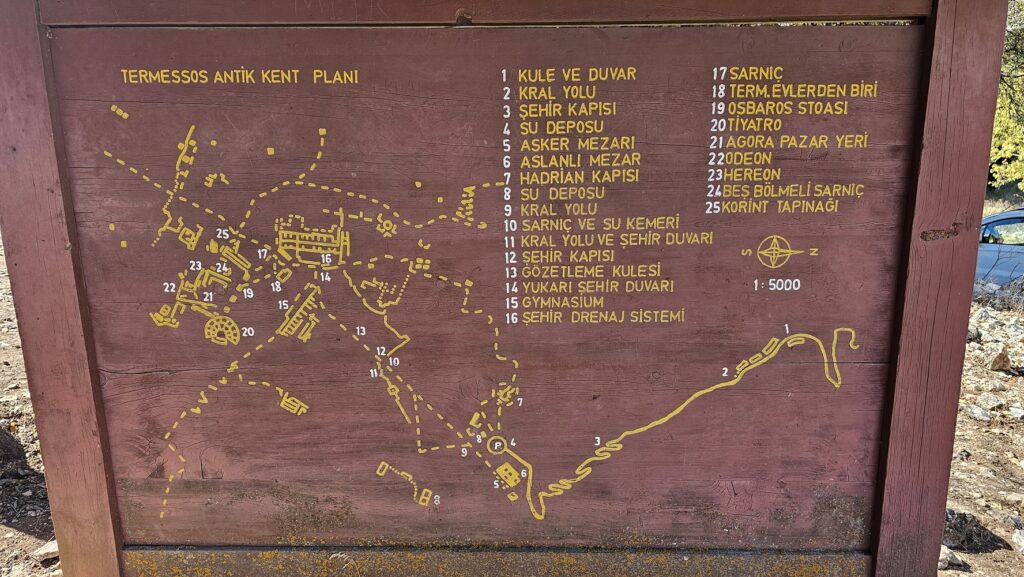
To reach Termessos, which is about an hour from Antalya city center, you travel northwest. Since my next destination was the ancient city of Kibyra, I left early in the morning and spent half a day there. I entered the national park by car, followed the winding road up, enjoying the stunning views, and parked at the parking lot where the official site begins. There are some ruins here, but to explore the main city, you’ll need to climb a path. I advise you to be physically prepared for some hiking (like shoes) and to be mentally prepared for the slopes. I did the entire route; at the end, I’d have walked approximately 8-10 km. Shorter routes are possible, but it’s worth the effort!
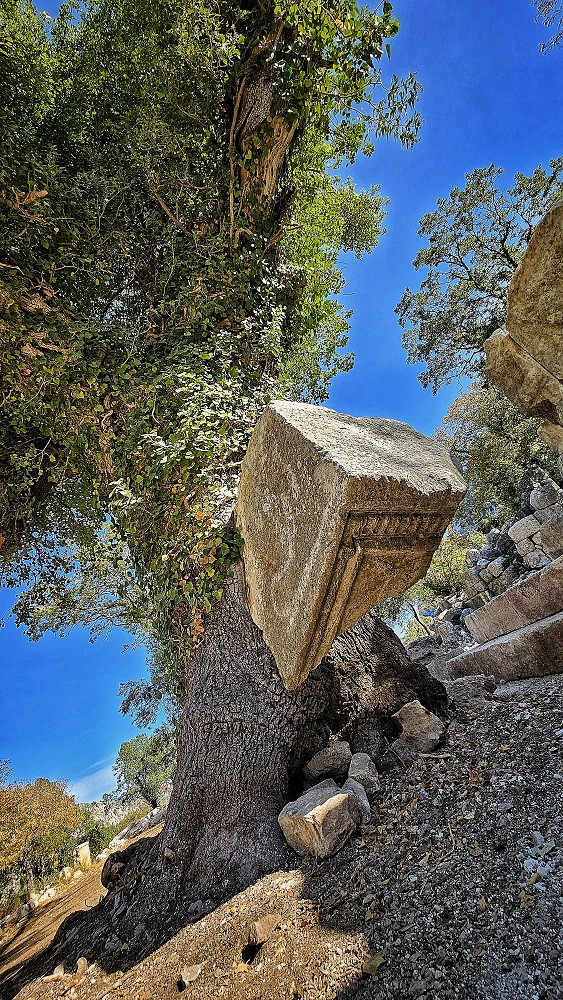
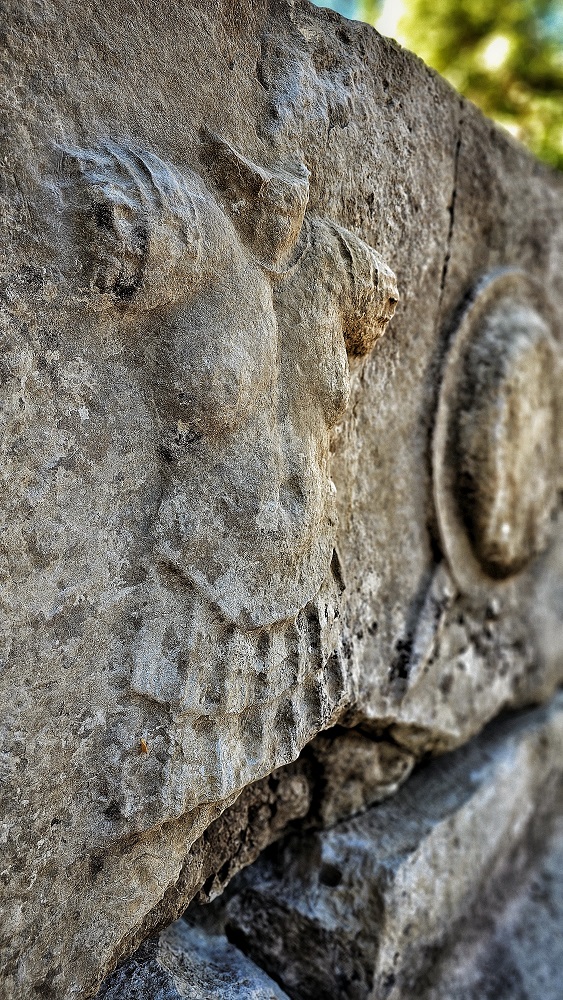
Termessos Historical Information
Termessos is an important ancient city, founded by the Solyms, descendants of the Luwians, one of the oldest peoples in Anatolia, in the valley between the peaks of Mount Solymos, today known as Güllük. It is one of the most striking archaeological sites protected within the forest and located within the National Park of the same name. Güllük Mountain (Termessos) National Park is a special region, home to both rich flora and endangered animals.
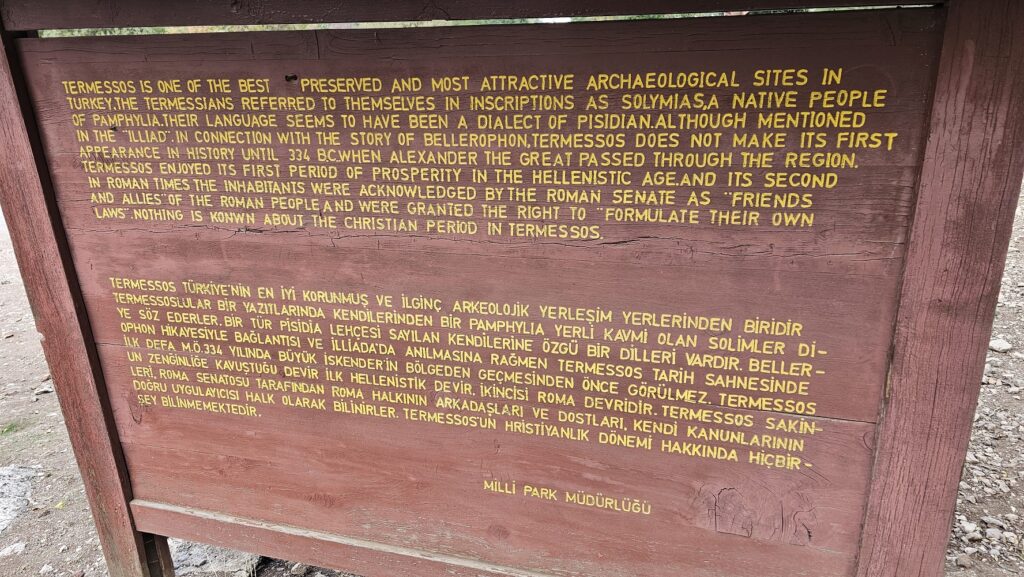
The city entered the historical scene when Alexander the Great laid siege to the city in 333 BC, and the Termessians put up a strong defense, refusing to surrender. After Alexander’s death, the city was taken by the Ptolemies. In 189 BC, the Termessians, who captured the neighboring city of Isinda, were punished by Manlius Vulso, Commander of the Roman Forces in Anatolia, following a complaint from the people of Isinda. It is likely that a war was also taking place between Termessos and the Lycian League around the same time. In 71 BC, the Roman Senate recognized and confirmed the independence of Termessos, which had established a “friendship and alliance” with Rome, and the right to make its own laws.
It is known that Amyntas of Galatia ruled Termessos, along with other cities in Pisidia, from 36 to 25 BC. The city maintained its independence during the Roman Imperial period, as evidenced by the coins it minted. No information is available about the city’s status during the Byzantine and subsequent periods. Termessos witnessed no new settlement after its abandonment, and, apart from earthquakes and natural damage, it remains a remarkably intact and well-preserved site.
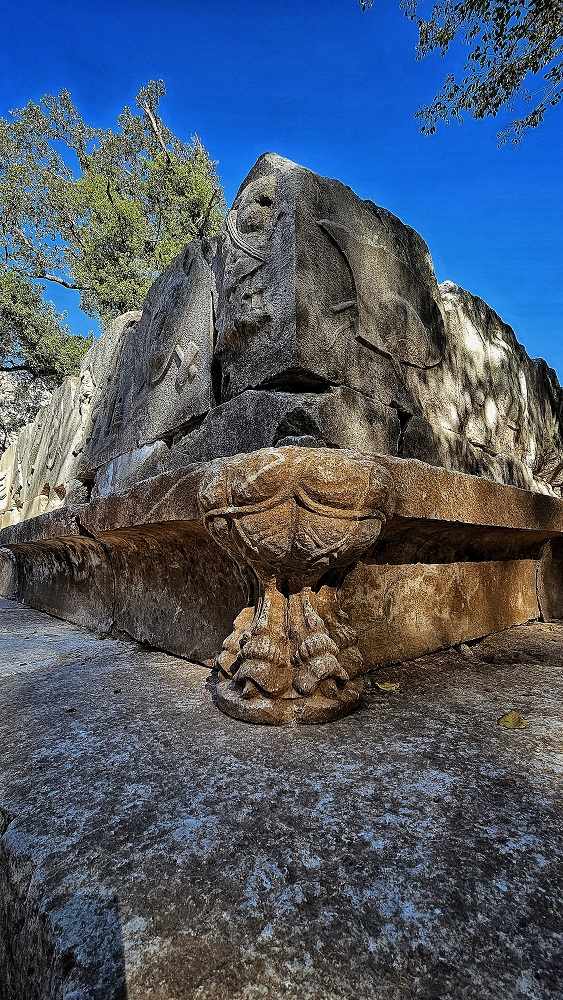
Termessos boasts numerous temples and extensive cemeteries. The variety and richness of its tombs are remarkable. Among these, the tomb of Alketas (319 BC), a prominent commander during the reign of Alexander the Great, and others are also important for shedding light on the city’s history. In addition to the monumental tombs, numerous sarcophagi with shield motifs depicting warriors occupy a significant area of the cemetery. The most interesting artifact from Termessos in the Antalya Museum is the Dog Sarcophagus, displayed in the Hall of Sarcophagi. The poetic inscription, written by the owner of a dog named Stephanos, is particularly significant for its uniqueness.
Termessos, with its settlement and defensive systems, has been one of the cities that best utilized the resources offered by nature. Güllük Mountain-Termessos National Park, designated a World Heritage Site for its natural and cultural values, has been on the UNESCO World Heritage Tentative List since 2000.
Source: “Termessos” Antalya from Past to Present [Volume II], Antalya Provincial Directorate of Culture and Tourism (2012)
Termessos Wiki Page is also HERE.