Arrogant Kibyra

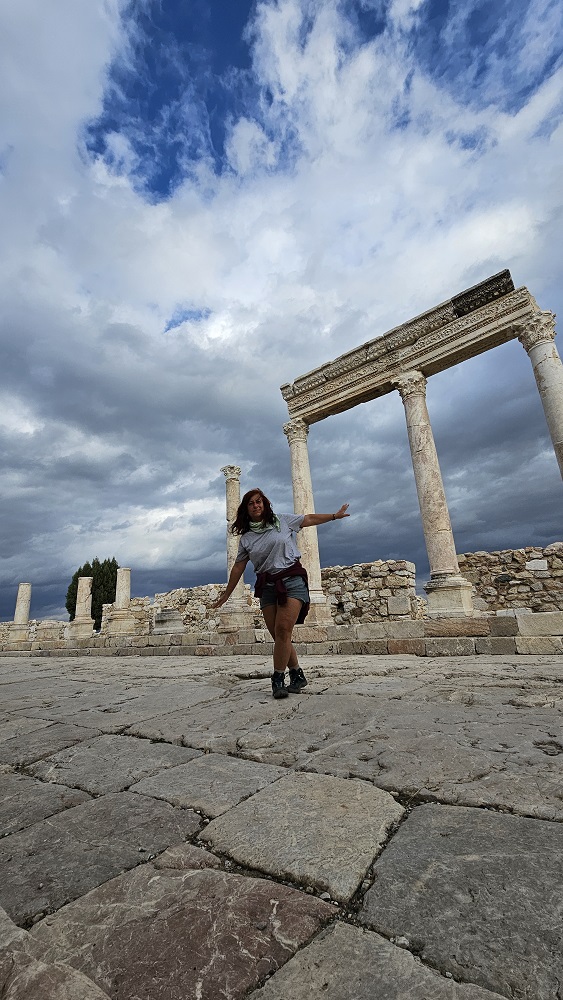
Kibyra stands alone a little out of the wayThe city sits proudly on a hilltop, a bit far from the coast and touristy sites. It’s two hours from Antalya, and about an hour each from Burdur and Denizli; nestled among the mountains in a town called Gölhisar.

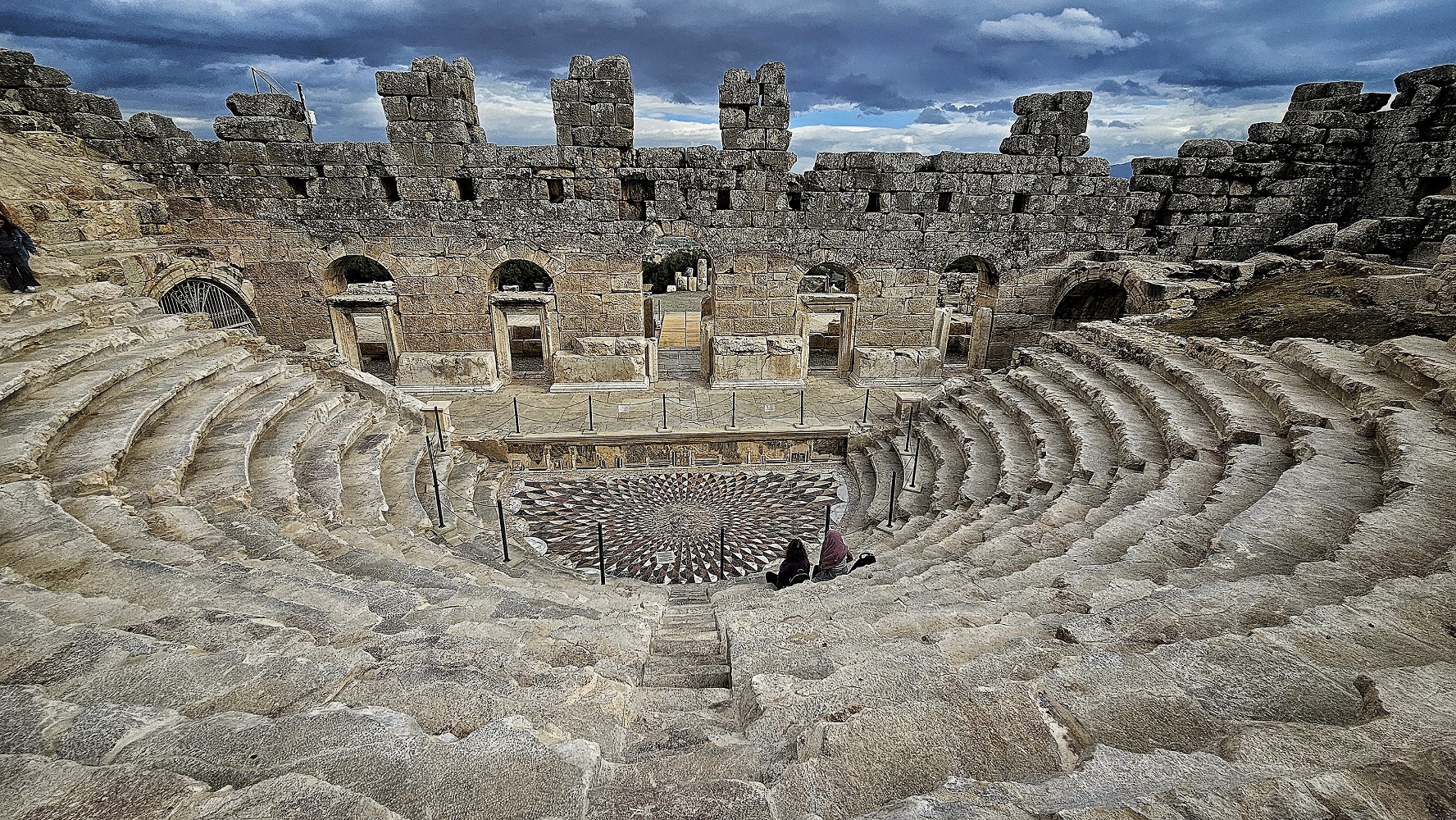
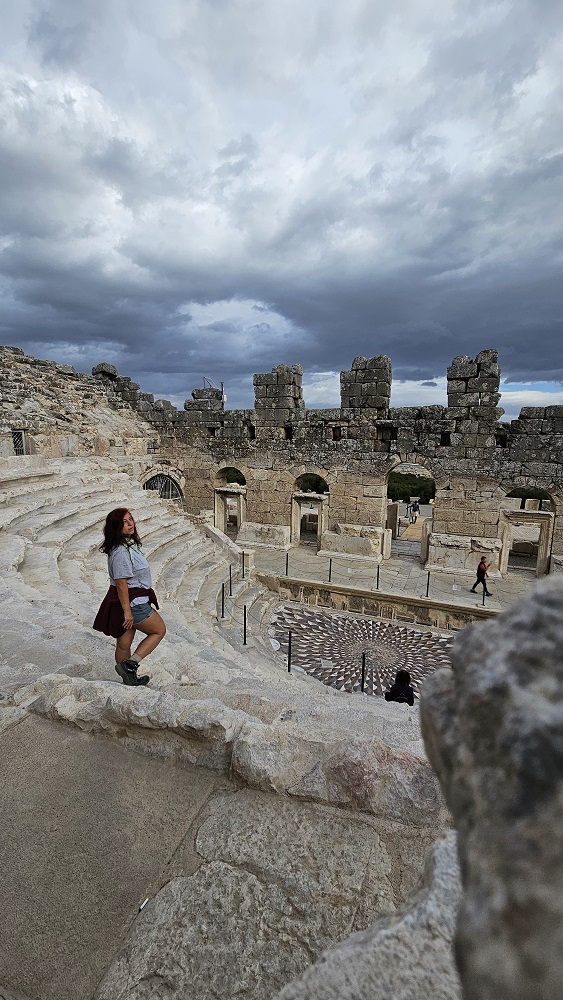
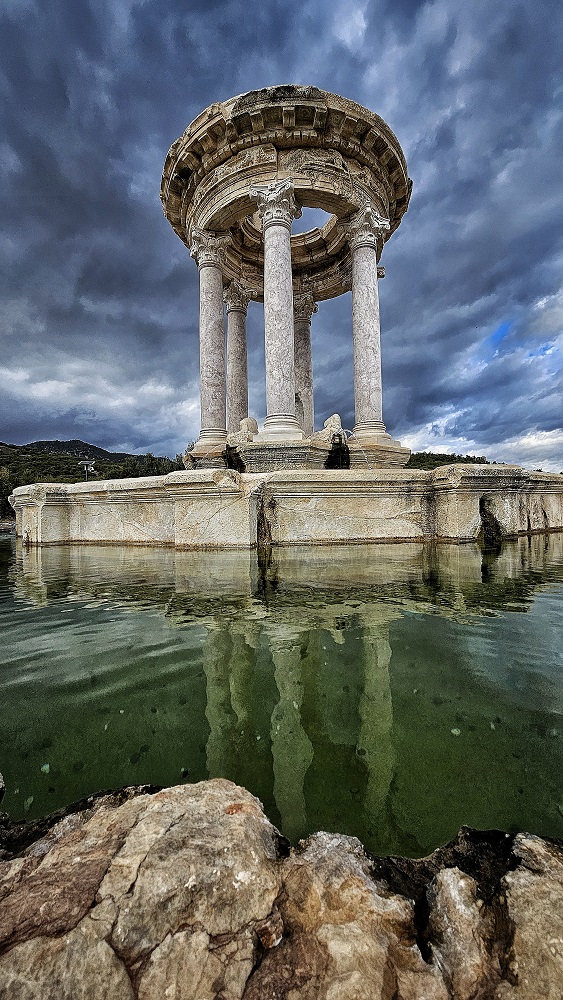
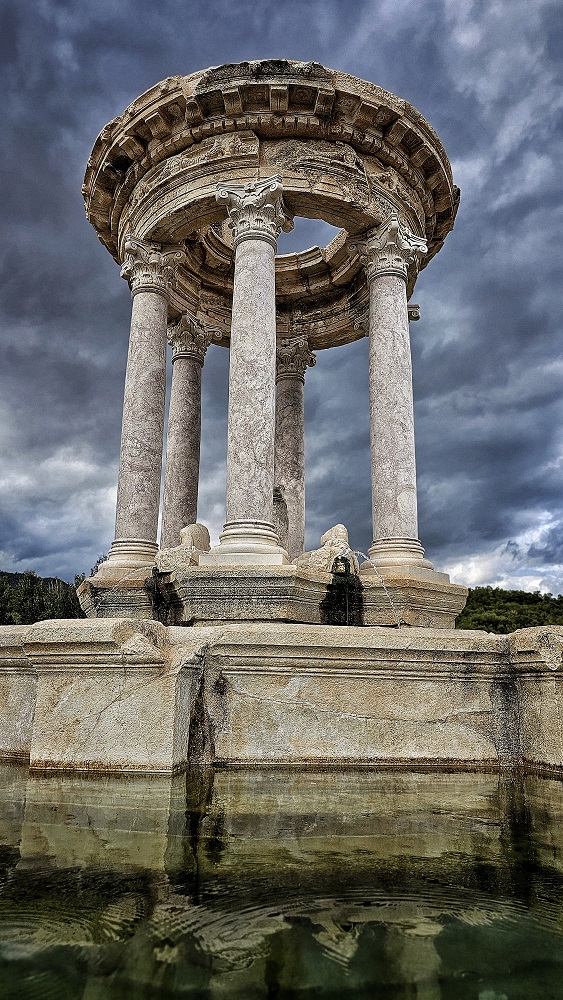
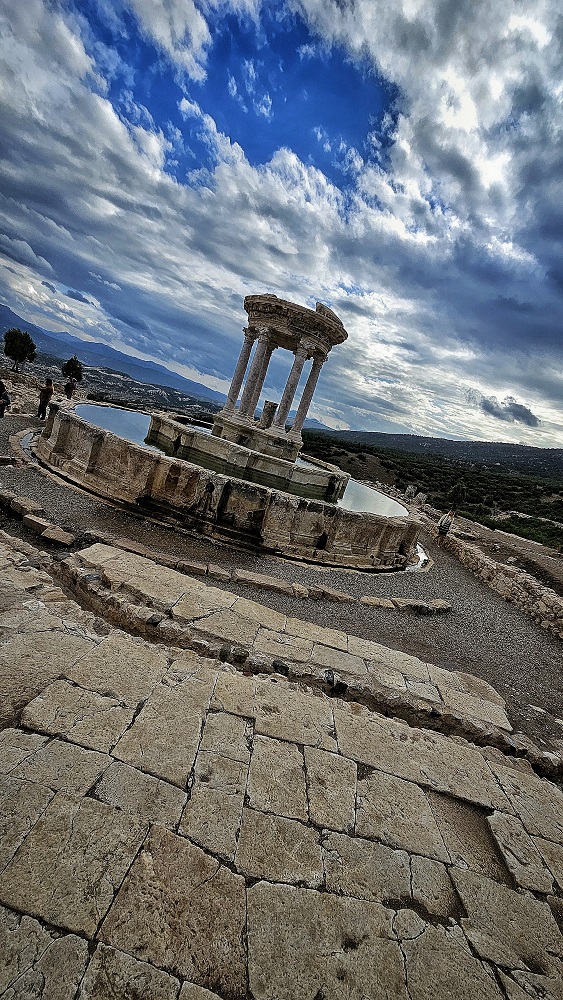
But it deserves its arrogance to be honest… It should be proud of its magnificent mosaics that have been recently unearthed (especially the Medusa in the theatre), its magnificent settlement spread over the slopes of the hills and the hypnotic fountain that still runs today.

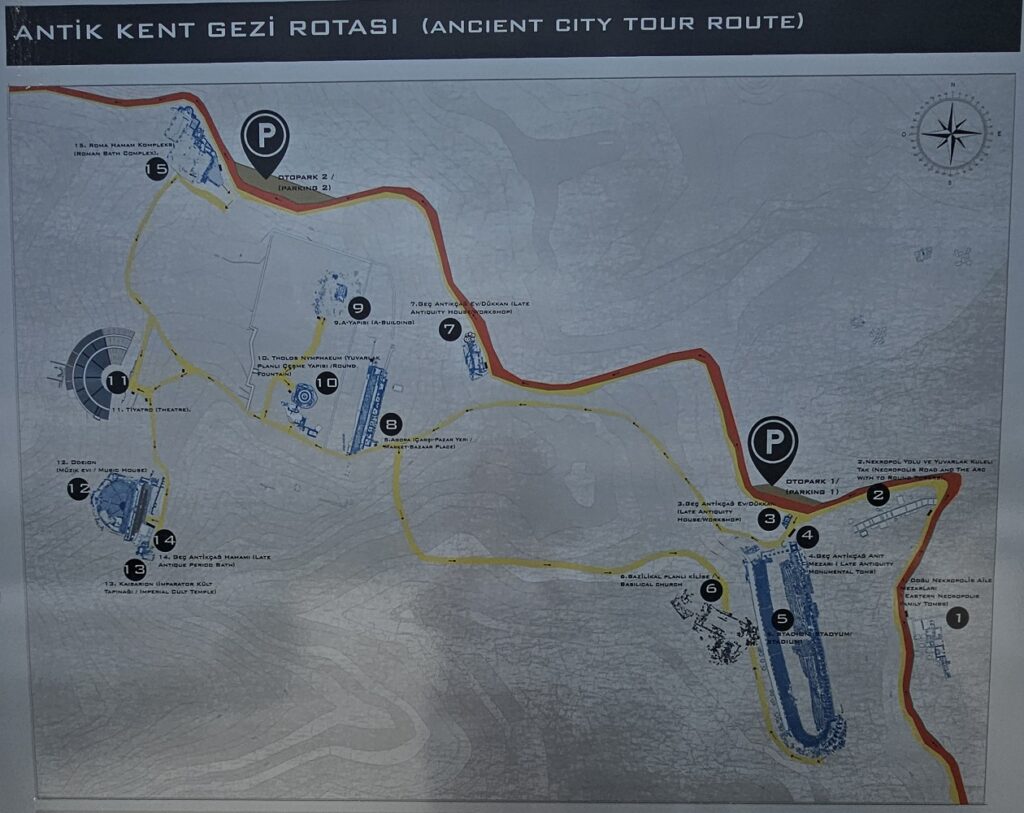
Because I was so impressed by the magnificent ruins of Kibyra at the Burdur Archaeology Museum earlier during my spring visit; I thought I absolutely had to visit it. So, after leaving Antalya and visiting Termessos, I arrived at the site in the latter half of the day. There are parking spaces on two levels; I parked at the higher one and followed the route down. It took me about two or three hours to explore the entire city. Finally, I hitchhiked up from the lower parking lot. At the end, I’d conquered two ancient cities on two mountains in one day; but they were the actual victors. Kibyra’s arrogant beauty was worth it!

Historical Information

The ancient city of Kibyra is located on three dominant hills separated from each other by deep cliffs in the Horzum neighborhood of the Gölhisar district of Burdur.

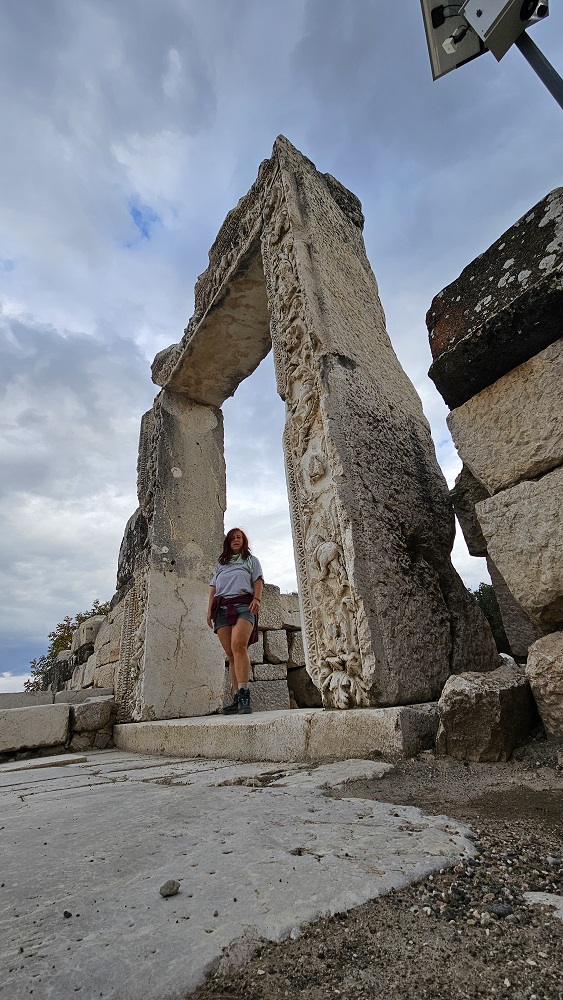
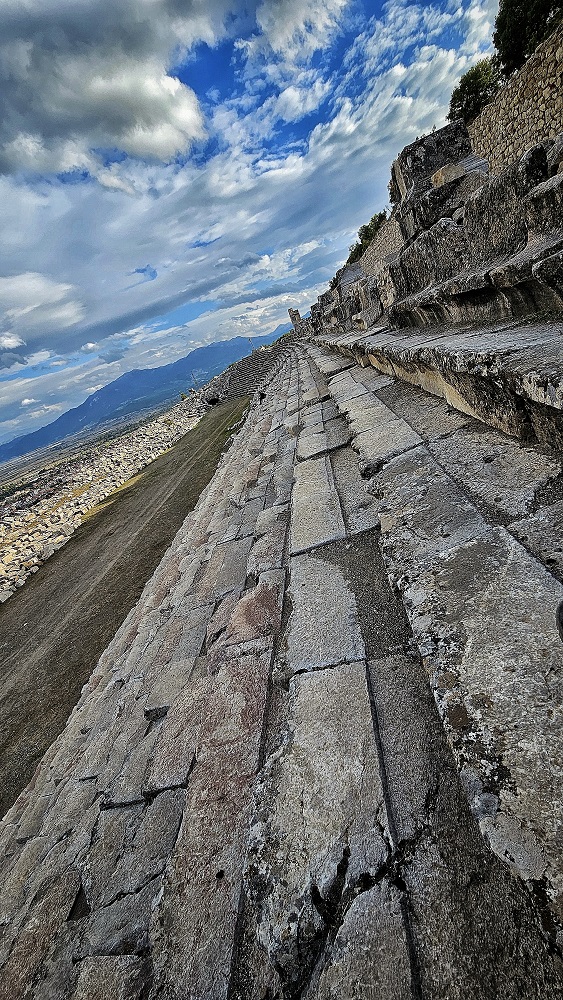
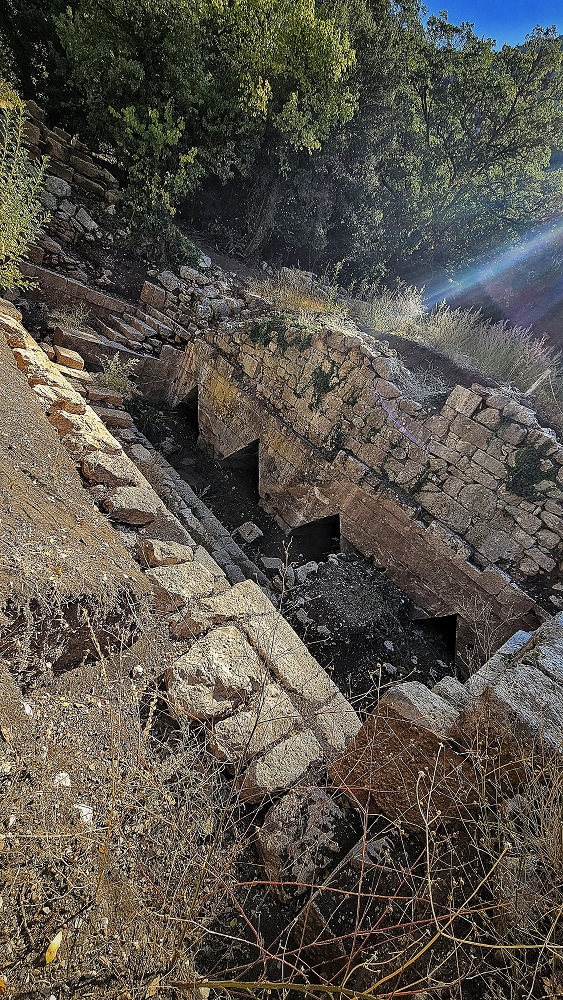
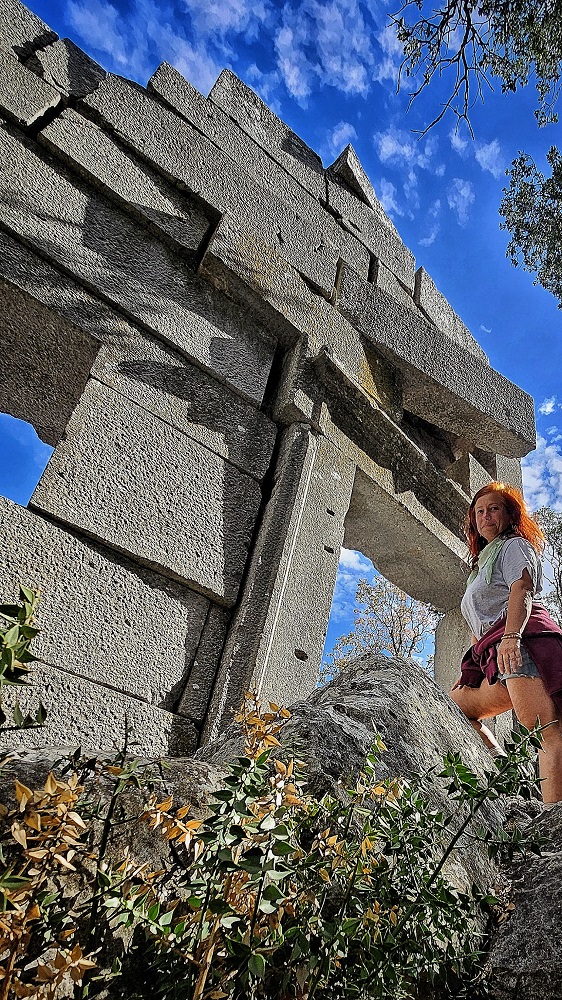
The city’s settlement area is quite extensive. The buildings are arranged symmetrically, with hilly terraces dominating the lake and plain views, ensuring that no structure obstructs the view of another. As you enter the city, on the left is a magnificent monumental gate and the most magnificent stadium in ancient Anatolia, with a capacity of 12,000-13,000 people.

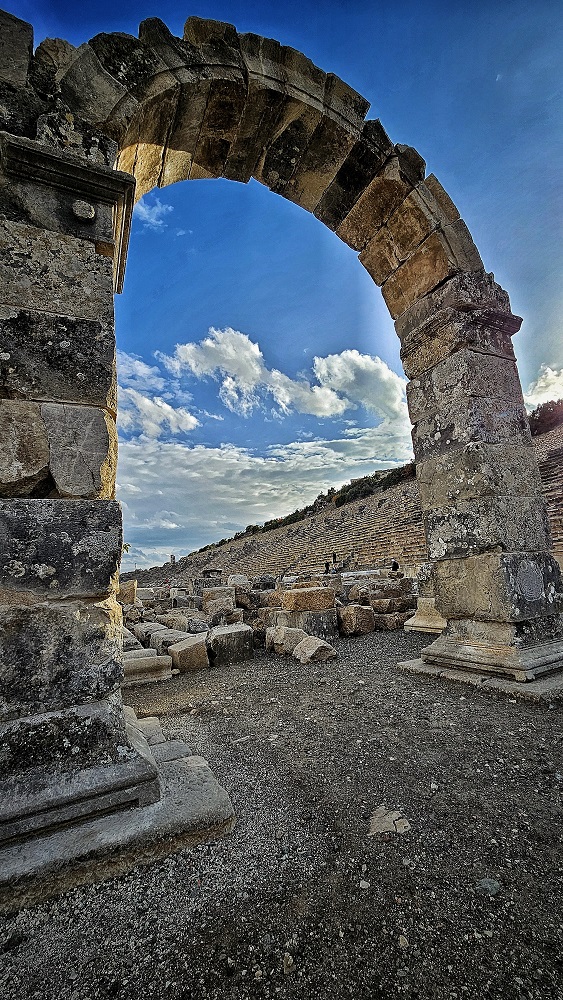
As we proceed, we see the basilica, the upper and lower agora, the bathhouse, the gymnasium, the theater, the council building, a planned mausoleum, a bathhouse, a round-towered arch, and aqueducts. The council building/music house, with its capacity of 3,600 people, is one of the most magnificent works of ancient Anatolia. Located in the heart of the council building/orchestra, the Medusa Mosaic, made of red, green, and white marble, with its hair composed of snakes and its gaze that turns people to stone, is unique in Anatolia.

In 2011, a mosaic, covering 540 square meters and considered the largest and most intact mosaic site in Anatolia, was unearthed in front of the parliament building. Also in front of the parliament building was a Roman bathhouse and a ceramics workshop dating back to the Late Roman Period (6th-7th centuries AD). All the architectural remains visible in the city today date from the Roman Imperial Period.

Cibyra appears to have been under the rule of the Kingdom of Pergamum during the reign of Eumenes II (197-159 BC). Immediately thereafter, a four-party council (2nd-1st centuries BC) was formed, consisting of the ancient cities of Cibyra and its surroundings: Boubon, Balboura, and Oinoanda.

This league was dissolved and abolished by the Roman General Murena in 82 BC, and the province of Asia and other cities were incorporated into the Lycian League. The city, destroyed by a massive earthquake in 23 AD, was rebuilt by the Roman Emperor Tiberius. Cibyra experienced its most glorious period, particularly between the 1st and 3rd centuries AD.

Cibyra is renowned for its blacksmithing, leatherworking, pottery, and horse breeding. The city’s inhabitants were fiercely warlike. The parliament building, with its Medusa head and the largest and most intact mosaic area in Turkey in front of it, are noteworthy. Artifacts unearthed from Cibyra are on display at the Burdur Museum.

Source: Cultural Inventory, Ankara 2007

Kibyra Wiki Page HERE

Peaky Termessos

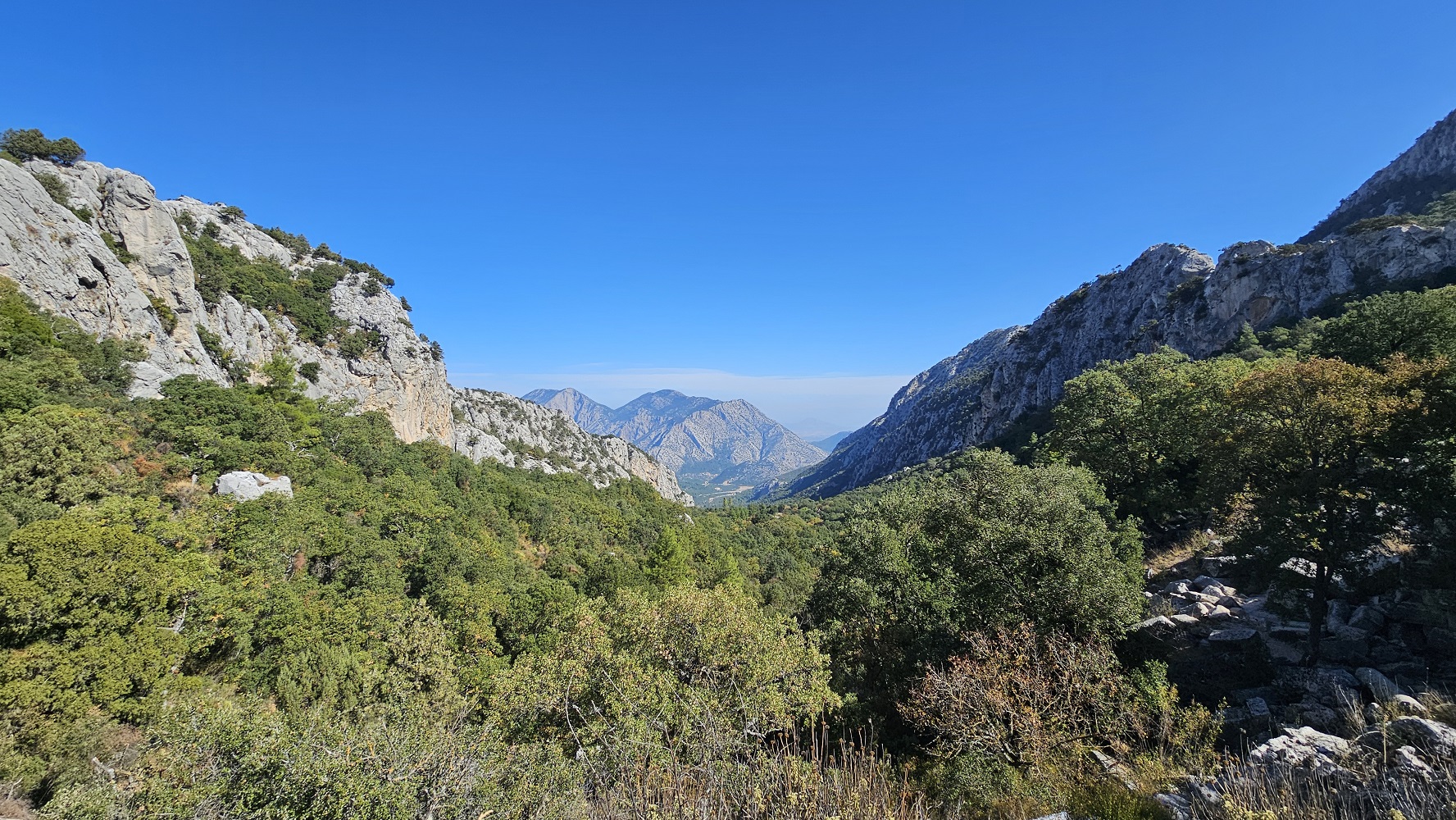
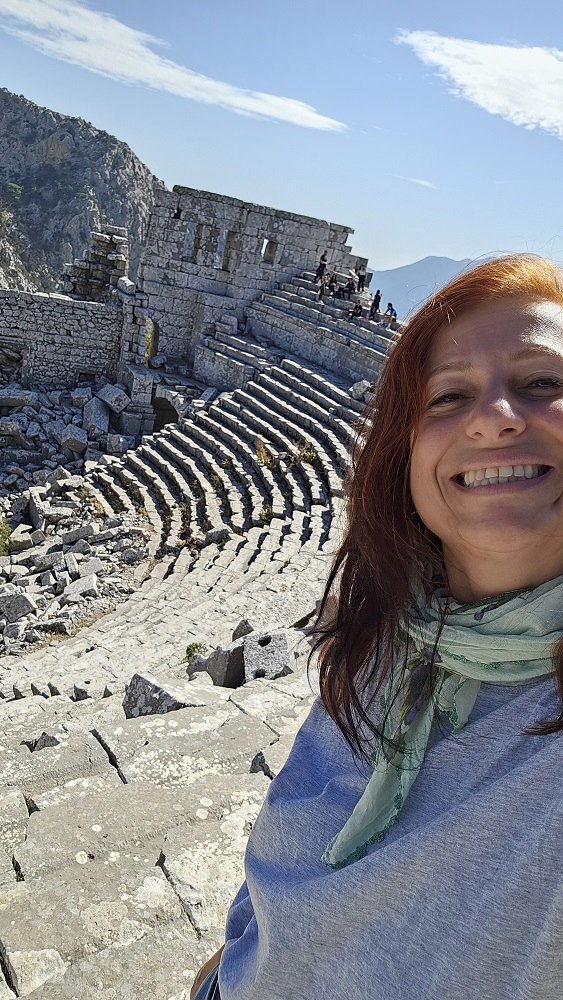
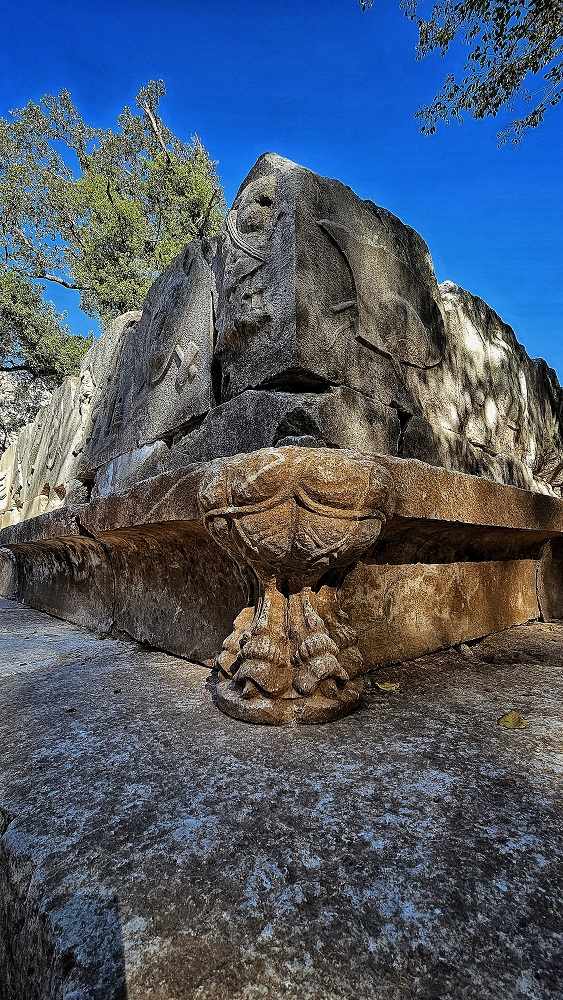
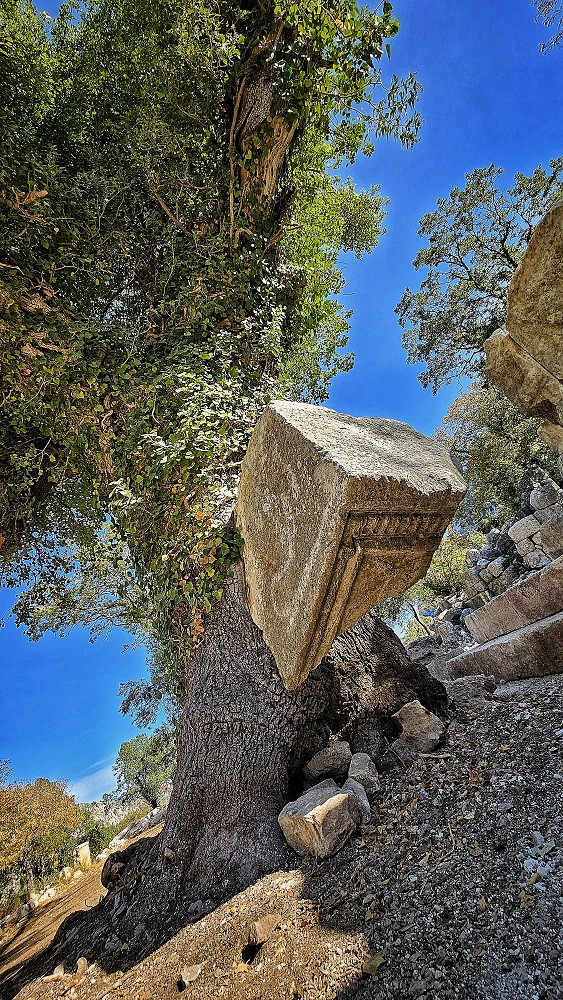
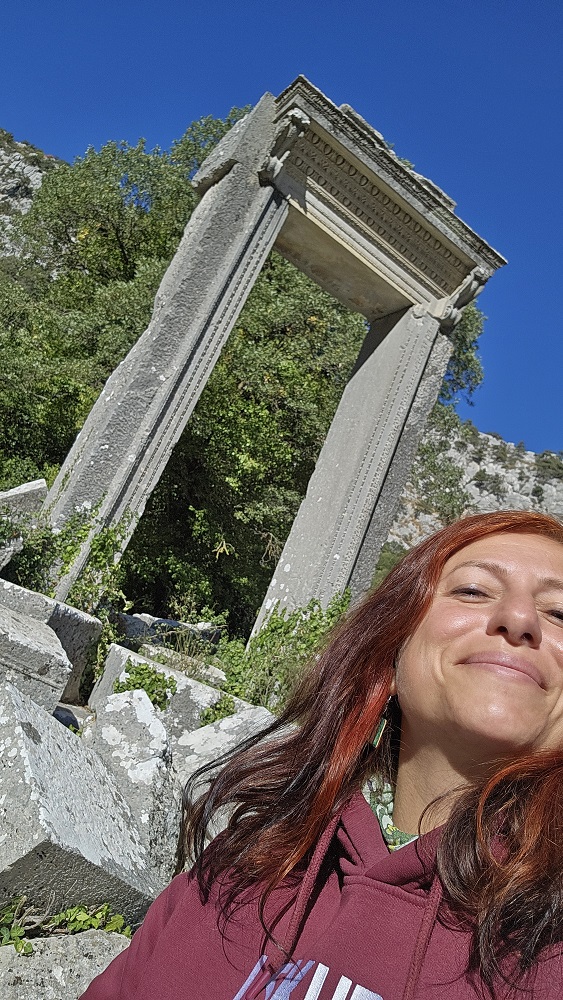
I visited Termessoss in October… It was the perfect time; the sun was warm enough, the shade was refreshing enough. I decided not to overdo my research not to have great expectations. But as I climbed the peaks, I was captivated; the site embraced me first with the beautiful nature, then with the amazing topographical layout & the glory of the ruins. The city stands high leaning against one peak and overlooking the other. At the top, I felt like a ruler and especially, while perched on the crest of that theater, the wind carried me away in historic dreams.

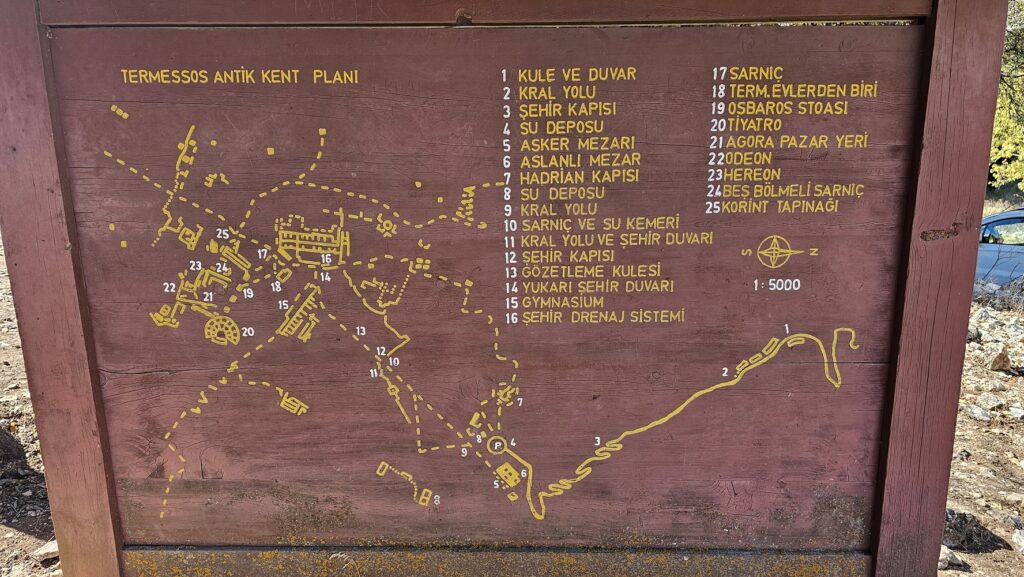
To reach Termessos, which is about an hour from Antalya city center, you travel northwest. Since my next destination was the ancient city of Kibyra, I left early in the morning and spent half a day there. I entered the national park by car, followed the winding road up, enjoying the stunning views, and parked at the parking lot where the official site begins. There are some ruins here, but to explore the main city, you’ll need to climb a path. I advise you to be physically prepared for some hiking (like shoes) and to be mentally prepared for the slopes. I did the entire route; at the end, I’d have walked approximately 8-10 km. Shorter routes are possible, but it’s worth the effort!

Termessos Historical Information

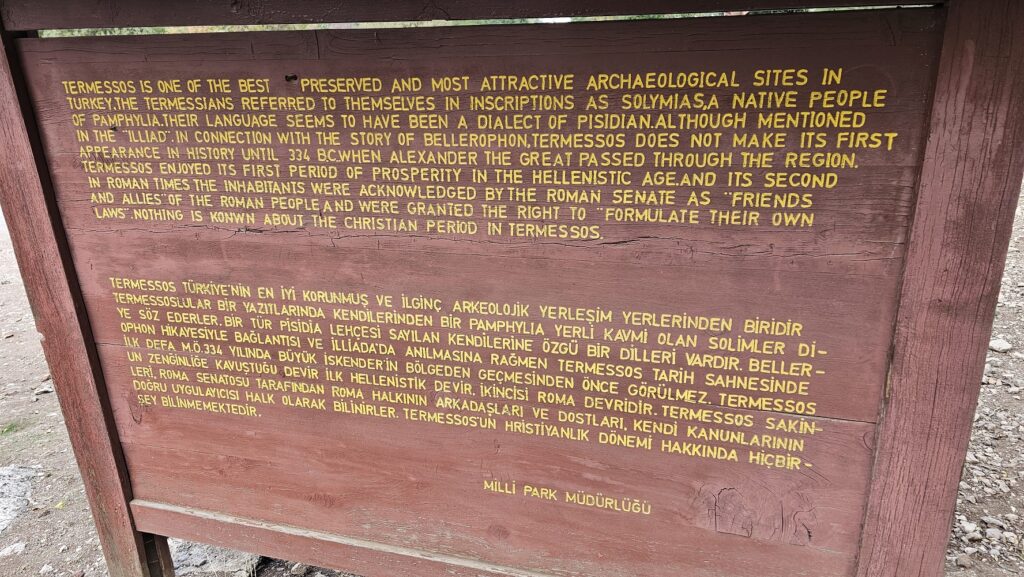
Termessos is an important ancient city, founded by the Solyms, descendants of the Luwians, one of the oldest peoples in Anatolia, in the valley between the peaks of Mount Solymos, today known as Güllük. It is one of the most striking archaeological sites protected within the forest and located within the National Park of the same name. Güllük Mountain (Termessos) National Park is a special region, home to both rich flora and endangered animals.

The city entered the historical scene when Alexander the Great laid siege to the city in 333 BC, and the Termessians put up a strong defense, refusing to surrender. After Alexander’s death, the city was taken by the Ptolemies. In 189 BC, the Termessians, who captured the neighboring city of Isinda, were punished by Manlius Vulso, Commander of the Roman Forces in Anatolia, following a complaint from the people of Isinda. It is likely that a war was also taking place between Termessos and the Lycian League around the same time. In 71 BC, the Roman Senate recognized and confirmed the independence of Termessos, which had established a “friendship and alliance” with Rome, and the right to make its own laws.

It is known that Amyntas of Galatia ruled Termessos, along with other cities in Pisidia, from 36 to 25 BC. The city maintained its independence during the Roman Imperial period, as evidenced by the coins it minted. No information is available about the city’s status during the Byzantine and subsequent periods. Termessos witnessed no new settlement after its abandonment, and, apart from earthquakes and natural damage, it remains a remarkably intact and well-preserved site.

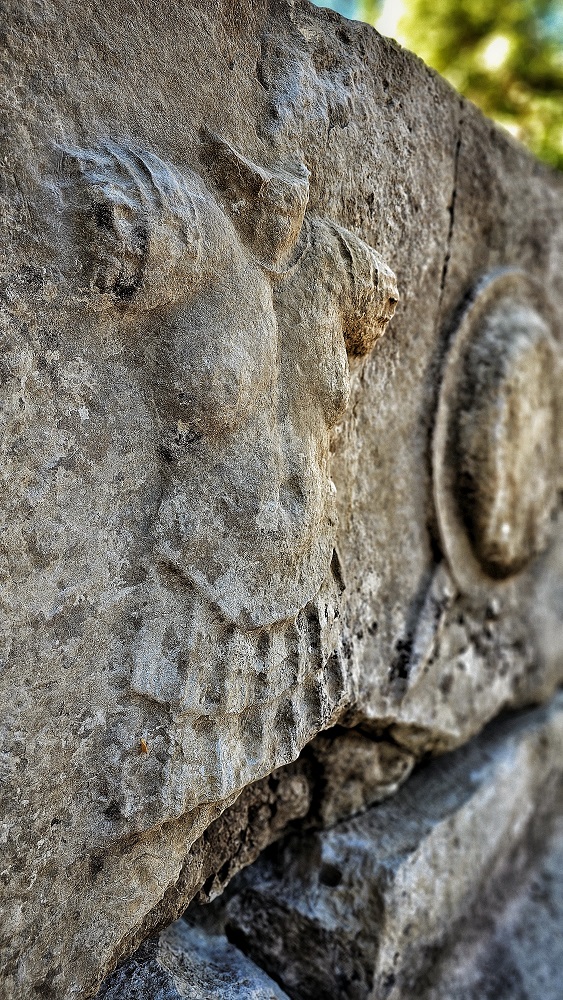
Termessos boasts numerous temples and extensive cemeteries. The variety and richness of its tombs are remarkable. Among these, the tomb of Alketas (319 BC), a prominent commander during the reign of Alexander the Great, and others are also important for shedding light on the city’s history. In addition to the monumental tombs, numerous sarcophagi with shield motifs depicting warriors occupy a significant area of ​​the cemetery. The most interesting artifact from Termessos in the Antalya Museum is the Dog Sarcophagus, displayed in the Hall of Sarcophagi. The poetic inscription, written by the owner of a dog named Stephanos, is particularly significant for its uniqueness.

Termessos, with its settlement and defensive systems, has been one of the cities that best utilized the resources offered by nature. Güllük Mountain-Termessos National Park, designated a World Heritage Site for its natural and cultural values, has been on the UNESCO World Heritage Tentative List since 2000.

Source: “Termessos” Antalya from Past to Present [Volume II], Antalya Provincial Directorate of Culture and Tourism (2012)

Termessos Wiki Page is also HERE.

Mini Lycia

Myra mezarlar

While traveling from Dalaman to Antalya, I was smitten by the frustration of not being able to walk the Lycian Way, a long-held dream of mine. So I tried to visit as much as I could with the time I had. Various sources mention between 19 and 48 ancient Lycian cities. I only managed to see five of them. Here, I’m sharing videos summarizing the few hours I spent in each city. The videos offer no narration, information, or descriptions. They’re just snapshots and contain sounds of only the exciting moments I couldn’t contain myself, exclamations, or the voices of other tourists I encountered. It’s easy to find historical, geographical, or other information about any place you want. I thought this style better conveyed the feeling of one wandering among the ruins. Of course, the real joy is touching those stones, smelling the air and imagining what life once was like in these places.

Listing the cities of Lycia The wiki page is here.

Or this pageI think it provides more enlightening and compact information.

I am listing the cities in the chronology I visited and therefore logistically from west to east:

Xanthos Ancient City

Location Here…It’s a large, scattered, and somewhat wild ancient city, easily accessible but not yet extensively excavated. Still, its necropolis, with its geometric tomb structures, impressed me.

Letoon Ancient City / Sacred Site

In fact, it is very close to Xanthos, a point that functions as the sacred site of the region rather than a settlement. In Letoon the ruins of the temples of the mother goddess Leto, Apollo, and Artemis are impressive. Like every Apollo temple I’ve visited, this one was fed by fresh water, a sacred area where tortoises now bask on the ruins. It’s a compact and easily accessible site.

Myra Antique City

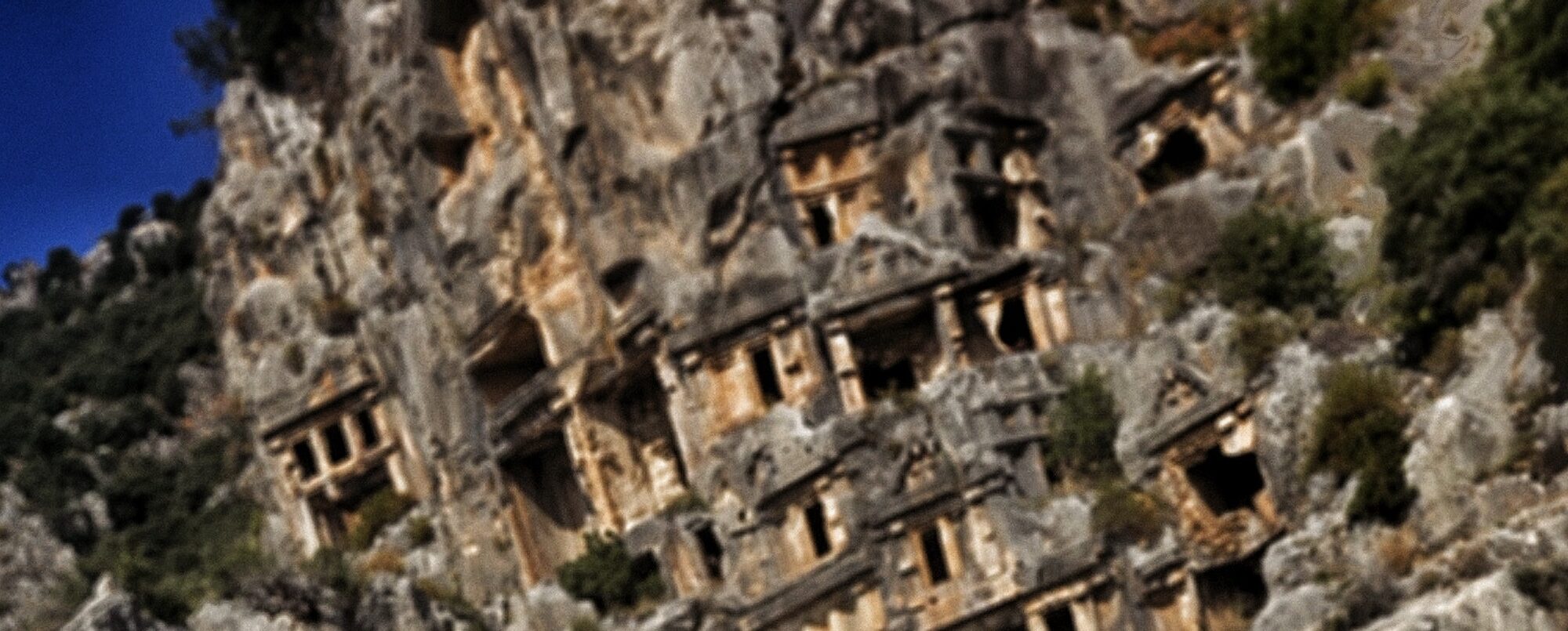
An ancient city hidden among the white-covered greenhouses of Demre is the ancient site of Myra.The rock tombs on the hillsides where it sits seem to overlook a theater, many of which still stand. The site is in a small area that suggests many unexcavated treasures lie beneath the surrounding greenhouses; it offers a quick tour.

Ancient City of Limyra

Ancient City of Limyra  was a complete surprise to me… What fascinated me was not the wild feeling of the incomplete excavation and restoration, not the vast land the city spreads across, nor the impressive buildings still standing. I left my heart in the waters gushing through the city and enveloping it on all sides. The ancient road is now under water, where the stream winding around the monumental structure gently covers its huge stones. But the windings of the stream, sometimes flowing with excitement, sometimes calmly, and the ancient trees that grow around them, are equally beautiful.

Phaselis Ancient CityI’ve wanted to go to Phaselis since the first time I saw it in a documentary; I finally had the opportunity. It’s truly a unique settlement, with incredible beauty in its location, layout, and natural beauty. Its natural geography allows for three harbors overlooking three different directions, while the harsh winds blowing from one side are barely noticeable on the other. In addition to the many surviving buildings, the findings of the accelerated excavations in recent years have also been added. The adjacent public beach adds another dimension and visitors to the site during holidays; I’m not sure if it’s a good thing or a bad thing. But any kind of preservation is better than the constructing another five-star hotel in this magnificent spot. I swam in its waters and emerged in its essence; I was completely enchanted. If I had more time, I would have spent a full day there; I will go again.